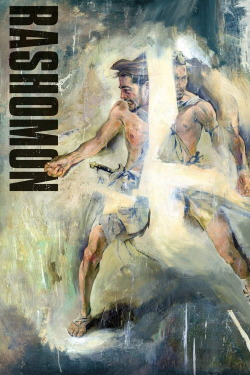
Review of Rashomon (1950) by Nate W — 15 Jun 2009
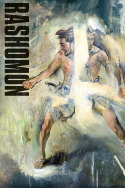
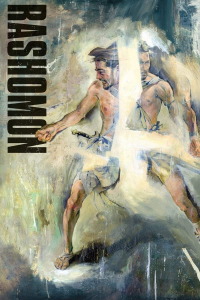
Akira Kurosawa's "Rashomon" may not be as epic as his later opus "The Seven Samurai", but its story is told with much more creativity and economy. The tale of a rape and murder in the woods is presented in four different versions through the testimonials of the people involved, as recounted by a woodcutter (the witness) and a priest at the ruined gate of Rashomon, both of whom are unable to comprehend how human beings can be capable of such atrocities.
Atmospherically, this film tops every other released in the 1950's, and most released thereafter; the woodland setting of the crime lets Kurosawa capture the dazzling interplay of brilliant sunlight and cascading shadow, the crumbling rain-soaked edifice of Rashomon serves as a metaphor for the men's crumbling faith in humanity.
The key to Kurosawa's triumph is his flourish for visual storytelling, which allows his masterpiece to transcend the barriers of language and culture. It's a true testament to the power of his actors, shot composition, film editing, music, and of course, to the man himself.
This review of Rashomon (1950) was written by Nate W on 15 Jun 2009.
Rashomon has generally received very positive reviews.
Was this review helpful?