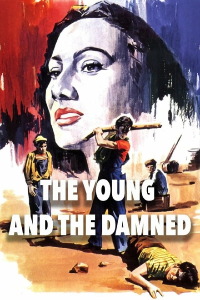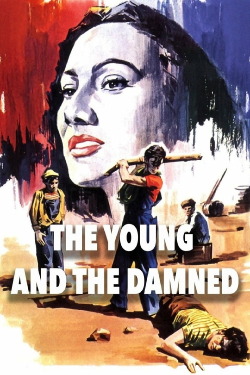
Review of The Young and the Damned (1950) by Ruben J — 26 Jul 2009
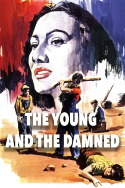
Dramatizing the hardscrabble lives of street urchins was hardly cutting-edge even in Dickens' day, so Bunuel wisely chooses to avoid wallowing in destitution, instead broadening his scope to examine the wide-ranging impact of rampant street crime. "Los Olvidados" translates to "The Forgotten Ones", a title that applies not only to its band of amoral children, their unwitting "leader", and the elderly homeless they torture, but also to practically everyone in its unglamorous Mexico City slum. It's a dark, twisted vision to be sure; aside from one impressive dream sequence, Bunuel does this in a strict Neorealistic fashion with nary a scrap of sentimentality thrown to lighten up the proceedings.
We have nothing but the barest thread of a plot. A 17 year old, hulking tough guy known as "El Jaibo" (slang term used to describe a reckless individual) inadvertently, yet brutally murders another teenage gangster, hides the corpse with the help of one of his child buddies, then waits for the inevitable to happen. The underworld, in which El Jaibo spends most of his time lurking in the dark, is a fleshed out environment filled with characters that can convey decades' worth of pain with one tortured glance. Not much of a moral beyond the usual lack of honor among a criminal element, along with the expected cold detachment of the police force as they deal with the murder of a scummy rogue that they'd just as soon dump in a ditch.
Mexican audiences were revolted by the realistic, unsentimental conclusion (which is utterly perfect), but nonetheless Bunuel shot a happy ending where El Jaibo renounces his evil ways and returns to the reform school brandishing cartons of cigarettes for all! Hooray! Maybe they also resented the cross imagery being used oppressively, to coincide with a complete lack of religious subtext. Surely the Catholic Church would save these kids! It's clear that "Los Olvidados" was just too damn brutal, too bleak, too truthful, to be accepted as anything other than a horror story with a social interest angle. Removed from the context of its time, the film holds up prouder than ever, a true masterpiece that is also totally unlike anything else in Bunuel's oeuvre. Perhaps because it's not bogged down with his usual fetishes (feet, alcoholism, hallucinatory imagery, ridiculous plot tangents), it might be the best work he's ever done.
This review of The Young and the Damned (1950) was written by Ruben J on 26 Jul 2009.
The Young and the Damned has generally received very positive reviews.
Was this review helpful?