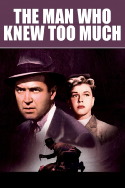
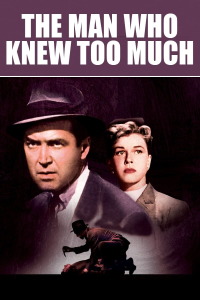
Review of The Man Who Knew Too Much (1956) by Daniel T — 09 Aug 2016
A reoccurring character in Hitchcock's films is the ordinary man who is drawn into a world of trouble. This world makes this ordinary man, well, not ordinary. He becomes extraordinary. But that is not the case for the plot of this film.
Sure, it begins that way, but it does not stay that way. The theme of this film is keeping this ordinary man ordinary. He cannot become extraordinary; he must maintain is relatable persona, which is that of a married man.
This married man's wife is Doris Day, who in the film proves to not be ordinary just as she proved not to be outside of the film's production--or even during the film's production. She is the hero of this film.
From the start, we notice her catching on to everything around her; she senses it. Call it a woman's intuition. The film revolves around her solving the crime, and it begins with her husband being drawn into it.
The film is beautifully written and there are a lot of subtleties about gender roles and reversals that go unnoticed. While this film is not as action packed as Hitchcock's North by Northwest or as Mysterious and Provocative as Vertigo, but this film was never intended to be.
It was intended to be a demonstration by a masterful auteur, which it is. Class is something that the film has to boast. From the way it begins to its climax and ending.
This review of The Man Who Knew Too Much (1956) was written by Daniel T on 09 Aug 2016.
The Man Who Knew Too Much has generally received very positive reviews.
Was this review helpful?