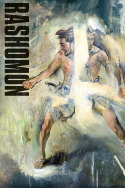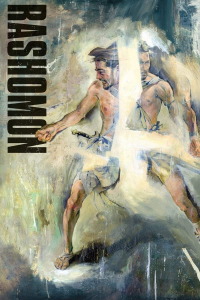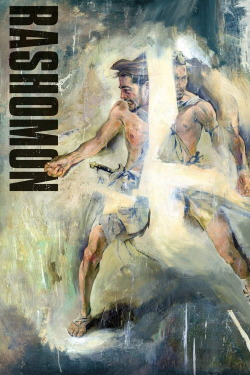
Review of Rashomon (1950) by Alvin Y — 10 Aug 2010
This is probably one of the best Japanese films ever made along with â??Seven Samuraiâ?? which is also directed by Akira Kurosawa. In â??Rashomonâ?? the editing tells ½ of the story. It may feel experimental or unconventional, but Kurosawa perfects the concept second by second, directing and editing.
This film didn't need a big budget to come perfectly to the point. It's a simple tale, but not a superficial tale. Different points of view and selective memories don't only make the woods unsafe, but are one of the most universal topics of humanity.
â??Rashomonâ?? gets masterful when in one instant there is literally a different point of view: the camera takes another position to shoot the same sequence, thereby forcing the audience to reconsider what they just saw.
That is the sort of storytelling that the supposed masters of cinema in our time yet have to equal, or try to copy when they fail. The use of (non-original) music in my opinion reveals a certain interest for western influence, not only in this movie, but also in Kurosawa's forthcoming films like â??Seven Samuraiâ??, â??Yojimboâ??, â??Ranâ??, and is probably why his films were so influential on western filmmakers too.
The cinematography is dynamic and changes scene by scene to emphasize exactly what is going on. The shadows of leaves and branches make you really feel 'in the woods', while the actors who played the bandit and the girl, convince the remaining part of the audience.
It may be after days that you first realize you saw an important film. After weeks you realize that you must see it again to comprehend (despite it's only 85 min), and ironically that is just one of the crucial points that Kurosawa made.
And honestly, this is much much better and enjoyable movie than Kurosawa's after films.
This review of Rashomon (1950) was written by Alvin Y on 10 Aug 2010.
Rashomon has generally received very positive reviews.
Was this review helpful?