Review of Ordet (1955) by Ismail A — 22 Mar 2017
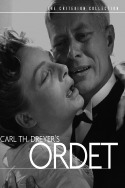
Carl Theodor Dreyer's Ordet (1955) based on Kaj Munk's play by the same name (first performed in 1932) is a profound exploration of the problem of faith in the world. One can easily see some of the terrible derivatives it created in the likes of the talentless buffoon Lars von Trier.
Although it doesn't compare to Dreyer's stunning masterpiece, The Passion of Joan of Arc, it contains enormous intellectual and emotional depth and the permutations of the notion of faith that it explores in contemporary Protestantism is interesting (considering what a terribly dull subject that is) and Dreyer's choice to stage the miraculous, in a world and a time where it seems like complete madness (Birgitte Federspiel as Inger, says at one point that she believes that miracles happen in small, cumulative ways, almost secretly or invisibly, none of the spectacular showmanship of the bible), in his typical austere, understated way, is deeply moving and beautiful to watch.
It is hard to believe that a man who doesn't really believe directed an entire two hours film on the power of faith and its capacity to heal!
This review of Ordet (1955) was written by Ismail A on 22 Mar 2017.
Ordet has generally received very positive reviews.
Was this review helpful?