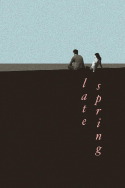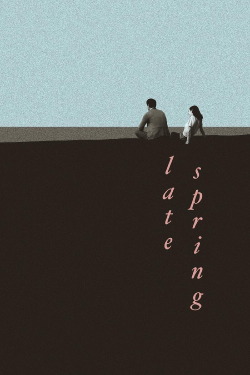
Review of Late Spring (1949) by X. T — 17 Aug 2007
"It is a truth universally acknowledged, that a single man in possession of a good fortune, must be in want of a wife." - Pride and Prejudice.
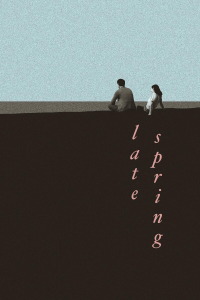
While this statement is not relevant to any leading man in the story of Late Spring, Austen's famous line does underline the irony in the beliefs of the relatives and friends of Noriko, the main character in the film. Almost past the prime age for marrying, Noriko is pressured by her relatives and friends to a traditional arranged marriage. Yet, she is perfectly content with her life with her widowed father, with who shares a close relationship unlike that of a traditional father and daughter. She argues with her father, who unselfishly wants to see her married, who will take care of him once she's living with her husband? Her father tells her that will solved by him remarrying, a concept that she opposes. Throughout the film we never see the groom, not even a photo of him. Likewise we never seen the wedding take place. Why? Because they are useless to the film. Ozu uses ellipses to skip these scenes which a typical movie would normally highlight, instead he focuses on the small, private moments of life that says the most about the characters and their emotions. Late Spring is quintessential Ozu, and his most perfect and thematically focused film. The emotional intensity it achieves will never be matched.
This review of Late Spring (1949) was written by X. T on 17 Aug 2007.
Late Spring has generally received very positive reviews.
Was this review helpful?