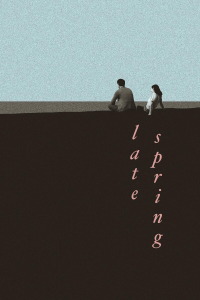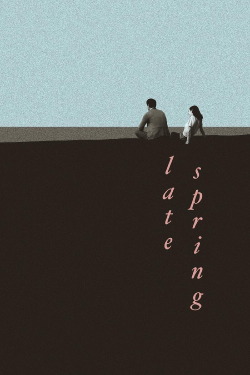
Review of Late Spring (1949) by Keenan S — 08 Jul 2015
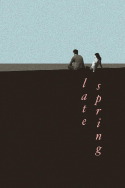
Late Spring is one of those films that has never left me ever since I watched it. Though I've only seen it this year, I have viewed it an additional 2 times, for I am eager to try to dissect it - to contemplate and figure out all that it has to say hiding beneath a deceiving simple exterior. But it is no simple film, it is a quietly affecting and meditative drama. It's a film about changing times and traditions and it is never overtly emotional, rather it builds and only appears subtly most of the time.
The story focuses on a young, 27-year-old woman named Noriko, who lives with her father. The 2 share a close bond, and they have only recently begun to put their lives back together after the war (Though, it is never explicitly mentioned. As the Allied forces occupying Japan at the time wouldn't allow the film-makers to make any direct references to the war).
Though they live happy, simple lives, their relatives fear Noriko is going to be a spinster, especially as she is in her late 20's and has no prospects of marriage in sight, so they are eager to arrange a marriage. However, Noriko wants no part in these plans, and is simply content to live and take care of her aging father, and also hang out with a friend every now and then.
But even her father wants to usher in this change for his daughter, for the sake of her own future.
The story in its simplest form of explanation seems like a no-brainer, but it's certainly nowhere near as simple as it would make you believe. It's partly a story about family, partly about tradition, changing times, growing up, and a number of other things. The story whether it was intended to or not, is a Pandora's box of intellectual discussions that no one can completely agree on because there is so much going on within the film. It's also a story that requires to observe the characters and the direction to try and figure it out, in all of its subtle and not-so-subtle moments. But in short, what makes the story so engaging that complements the many intellectual discussions, is that is a quiet, powerfully moving drama. It's never overt in its displays of emotions, but when it wants to, it packs one hell of a punch - especially the ending which is emotionally devastating.
The acting is top-notch, as expected from this sort of film, especially with the lead performance by actress, Setsuko Hara who plays Noriko superbly. She was bubbly, funny, and energetic, but also conveys sadness, fear, and anger in a way that is believable as her character's simple, happy world is forced to change, not only because of familial pressure and traditions, but also because as anyone has to experience at some point: growing up and moving forward in life.
Actor Chishu Ryu must also be complimented in his performance as the mellow father, Shukichi Somiya. His performance was rather subdued and quiet, but it also could speak volumes when it wanted to, especially in his interactions with Setsuko Hara's character. You certainly have to read and study his emotions to appreciate his acting ability, especially as his character eventually comes to terms with the situation itself, which will force him and Noriko to part ways. This becomes no more clear than during the heartbreaking ending which is built up very subtly and slowly, before it hits him like a freight train he and comes to realize the scope of the situation.
As far as entertainment goes, if you're a fan of dramas, Late Spring is certainly essential viewing. If you also say that you like watching smart films that may inspire discussions, once again, this is required viewing. Not only is this film a subtle, heartbreaking drama, but it is also a commentary about the time it was made and how it subverted censorship. Those elements inspire a whole new wave of intellectual discussions like the eternal art vs. censorship debate that will continue forever, or the political protest debates. One example of this is the prominent display of a Coca-Cola sign or showing signs in English among a number of things, in protest to the Allies' various requirements of what a film in that country could and could not talk about. It's absolutely fascinating in that regard, let alone the superb family drama that is already presented to the viewer.
Late Spring is certainly not only one of the greatest Japanese films ever made, it's one of the greatest films ever made. It's a film that will tear at your heart strings, but also have your brain firing on all cylinders to try and figure all that it has to say about not only life, but also art, censorship, and politics. Like I said, it's a Pandora's box of intellectual discussions. While I'm certainly not smart enough to figure out everything that it has to say, I can say that it's a brilliant, subtle, superbly acted, and emotionally devastating film that I highly recommend watching if you ever get the chance to.
This review of Late Spring (1949) was written by Keenan S on 08 Jul 2015.
Late Spring has generally received very positive reviews.
Was this review helpful?