Review of Black Orpheus (1959) by Veronica A — 11 Sep 2009
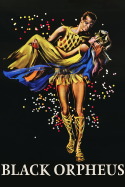
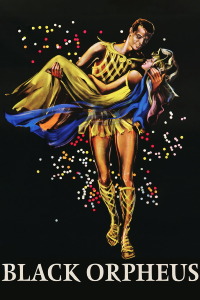
Black Orpheus (Portuguese: Orfeu Negro) is a 1959 film made in Brazil by French director Marcel Camus. It is based on the play Orfeu da Conceição by Vinicius de Moraes, which is an adaptation of the Greek legend of Orpheus and Eurydice, setting it in the modern context of a favela in Rio de Janeiro during the Carnaval. The film was an international co-production between production companies in Brazil, France and Italy.
The film is particularly renowned for its soundtrack by bossa nova legend Antonio Carlos Jobim, featuring songs such as "Manhã de Carnaval" (written by Luiz Bonfá) and "A felicidade" that were to become bossa nova classics.
Black Orpheus won the Palme d'Or at the 1959 Cannes Film Festivalas well as the 1960 Academy Award for Best Foreign Language Film and the 1960 Golden Globe for Best Foreign Film (in those awards the film was credited as a French production; only in the 1961 BAFTA Award for Best Foreign Language Film was Brazil credited together with France and Italy). Large tracks of the film were shot in the Morro da Babilônia, a favela in the Leme neighbourhood of Rio de Janeiro. In 1999, the film was essentially remade as Orfeu by Carlos Diegues, this time with a soundtrack featuring Brazilian singer-songwriter Caetano Veloso.
This review of Black Orpheus (1959) was written by Veronica A on 11 Sep 2009.
Black Orpheus has generally received very positive reviews.
Was this review helpful?