Review of A Passage to India (1984) by Orlok W — 30 Jun 2012
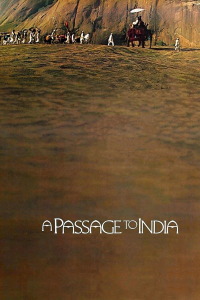
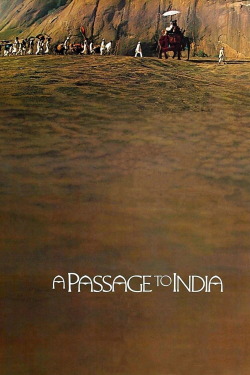
A Passage to India is David Lean's ultimate glorious achievement after his mood let down due to Ryan's Daughter's (I guess) ratings. I don't know whether he perfected his arts, learned to recover his flaws, or just pictured perfect when got the final chance after many years since Ryan's Daughter, but A Passage to India is David Lean's films' promontory, if Lawrence of Arabia is their peak.
A Passage to India, very beautifully dramatizes a small situation (represented even strongly in E.M Forster's Novel) and takes it to the edge to when the film be called 'Epic' , 'Master-piece' , 'Classic' as Lean's most of the films are called (due to it's hugh scale).
Alec Guinness becomes unrecognizable at first - like he did in Lawrence of Arabia and Doctor Zhivago, but you feel amazed imagining how Lean had make-up him and transformed him entirely into a Hindu priest.
Peggy Ashcroft started in her humble looking and honest, Oscar winning role of Mrs. Moore. Judy Davis handles and fits perfectly as the shy British Woman, who has never got out from the comforts of her surroundings, and who when subjected to a new different surroundings, panics dangerously, causing havocs between the two classes and nationalities.
But it is Victor Banerjee who catches the eye, starting as a courteous and always trustworthy (but unluckily accused) Dr. Aziz who speaks English very fluently in his own bold Indian Accent of speaking English, and unlike try to speaking like British.
A Passage to India explains the clash between two opposing cultures, which has both friends and enemies. The second best Lean Film after Lawrence of Arabia.
This review of A Passage to India (1984) was written by Orlok W on 30 Jun 2012.
A Passage to India has generally received positive reviews.
Was this review helpful?