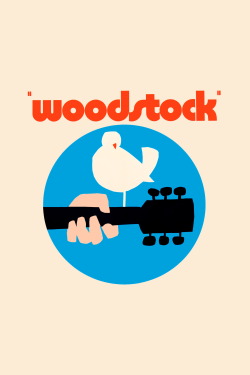
Review of Woodstock (1970) by Maxwell J — 11 Jun 2011
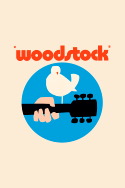
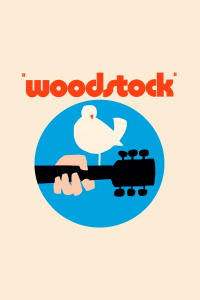
"Woodstock: Three Days of Peace and Music" is incredible. Honestly, it's likely the best concert movie of all time. There is so much in this movie that immerses you in the experience, such as interviews with attendees of the concert, camera angles that give you a fantastic perspective on the performances, and stunning audio.
If you don't know about Woodstock, it was a concert held in 1969, originally slated to be three days, August 15, 16, and 17, however the event had stretched on until August 18. There were many famous acts of the day there, and the four days it was held had music almost nonstop, day and night.
Such musicians were Creedence Clearwater Revival, Janis Joplin, Sly and the Family Stone, The Who, and a wealthy amount of others as well. The film manages to fit in 17 performers (this is not an exact amount, I am reviewing this from memory), with the 1994 Director's Cut (which I own on 2 disc DVD) there are added performances which were not in the original film, most notably Janis Joplin and Jefferson Airplane.
The amount of film they used to shoot the entire concert was over 3000 feet, however much editing was done to cut down to feature the highlights of the festival, resulting a movie at least three hours and fifty minutes long.
(Blu Ray has the definitive version, has at least another hour of performance footage added, with performances not originally included such as Clearwater Revival, Johnny Winter and extensions to performances such as the Who) And they certainly are highlights.
Joe Cocker's performance of his classic "With a Little Help from My Friends" is almost flawless, while he plays maniac air guitar and delivers a soulful performance. Richie Haven's opening set is great, and just the fact a single voice and a single acoustic guitar held a crowd of 500,000 is overwhelming.
One of the most awe-inspiring scenes is as the sun comes up, The Who start performing the opening of "We're Not Gonna Take It" (better known as "See Me, Feel Me") and both that and "Summertime Blues" showcase the energetic nature of every member of the band, particularly Roger Daltrey's microphone swinging nature and Keith Moon's crazy drumming.
After the two songs, Pete Townshend does a guitar solo and as his hands literally shake, he plays a bloomy, peaceful couple chords then strikes his hand down and plays a deafening single chord that rings through the field.
Crosby, Stills and Nash have a little comedic banter during their set early in the morning, then proceed to play "Suite: Judy Blue Eyes", after stating that it was their second gig, they say how "scared shitless" they were.
Neil Young was also with them for the electric set of their performance, however this footage was not included. Guitar legend Jimi Hendrix is the final performance in the film, and does hard rocking live renditions of "Purple Haze", "Voodoo Child", and plays a frantic though epic guitar version of the American national anthem, "The Star Spangled Banner".
Arlo Guthrie (of Alice's Restaurant fame) also performs "Coming into Los Angeles", however most of his performance is showcasing attendees of the concert trying out pot and all in all enjoying their time there.
But out of all these, Sly and the Family Stone blows away literally any performance in the film. Only one song from their performance is included, and it is "I Want To Take You Higher" (which is better than the studio version) and their groovy nature, elaborate instrumentation and over the top costumes (Sly Stone wearing sunglasses early in the morning, still dark, for example) and I almost even joined in when he got the audience of 500,000 to sing the lines "higher" over and over again.
Though the performances were no doubt the showcase of "Woodstock" there are also several parts that are great that aren't about the music. Early in the film, it sets the mood and shows what Max Yasgur's farm (Max Yasgur's farm was the land in which the concert was held) was like and the early preparation for the concert, such as the construction of the multiple stages and interviews with the people who organized it as well.
It's absolutely incredible, how a film like this could make you feel like you were part of it yourself. It's the best concert film of all time, no doubt about that.
This review of Woodstock (1970) was written by Maxwell J on 11 Jun 2011.
Woodstock has generally received very positive reviews.
Was this review helpful?