Review of The Virgin Spring (1960) by Tanya K — 09 Apr 2009
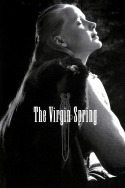
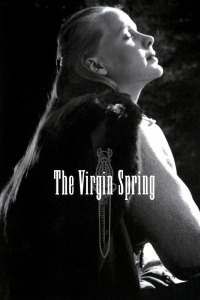
Set during a time of transition from paganism to Christianity, The Virgin Spring is full of religious imagery (from the pagan fire and water to Mareta's resemblance to the Virgin Mary). Adapted from a Scandinavian ballad, Bergman's execution of the subject is visual story telling at its best thanks in no small part to Sven Nykvist's breathtaking cinematography.
This film's obvious theme is that of devotion through guilt and penance, however, if explored a little deeper, religion is depicted as an egotistical concept in which one's own ego immediately lays self blame; Mareta feels she's being punished for loving Karin too much, whereas Ingeri feels it was the Norse god Odin who has granted her jealous wish.
However, one of the most striking elements of the film is its silence; this rings deafeningly loud during the gut-wrenching rape scene and also during Tore's vengeful murder of the herdsmen. Bergman doesn't shy away from nor romanticize either the rape or the murders.
Continuing to break from cliché he maintains a distance during Tore's emotional outburst to God, where even in the throes of his woe, he feels guilt for avenging his daughter's murder. All in all, this film is perfection to a tee.
This review of The Virgin Spring (1960) was written by Tanya K on 09 Apr 2009.
The Virgin Spring has generally received very positive reviews.
Was this review helpful?