Review of The Third Man (1949) by Cameron H — 26 Dec 2013
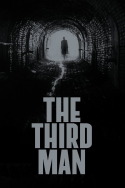
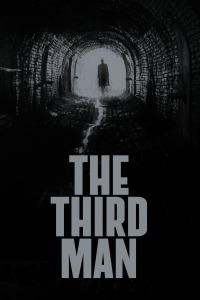
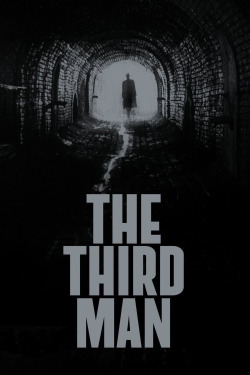
The thrill of mystery thriller films lies only partially in the mystery. Once the evidence is unveiled, you better allow yourself to focus on other parts of the movie, such as the action, setting, music, or camera work. The thrill of The Third Man is that all of these elements (writing, directing, acting, and designing) are masterfully handled. American novelist Holly Martins (Joseph Cotten) flies to Vienna, a city that is closed off by international polices since the end of World War II, to meet with his friend Harry Lime (Orson Welles). When Martins is told that Lime was killed in traffic and is told by Major Calloway (Trevor Howard) that it may not have been an accident, Martins decides to investigate the case himself. Matters become even more complicated when Lime is revealed to be a black market dealer who sells mentally damaging medicines to children, along with other undisclosed files. This is classic noir, but the scenes are open to lively interactions. Every moment between Cotten and Welles is memorable.
Beyond The Third Man's well-paced storyline, the film proudly shows off its setting and music from the very beginning. The opening credits appear in front of Anton Karas playing a zither, the sole musical accompaniment for the movie. Carol Reed made a bold move, choosing an Austrian string instrument over the standard orchestra, but it was a move worth making. Where an orchestra can sometimes enlighten you that you are watching a movie, the zither evokes a feeling that there happens to be some guy playing music around the corner of the scene.
After the credits finish, Reed conducts a tour through Vienna with the audience, keeping us in touch with the current state of affairs. Reed never lets down throughout the picture, presenting Vienna in all of its wonders, from peaceful market squares to building debris, and eventually down in the sewers. Cinematographer Robert Krasker works well with Reed's vision, usually presenting every scene with this grand scope. His best shot is the very last one, which holds out for over a minute in silence, minus the zither. Despite the major conflict being resolved by this point, this shot is still suspenseful.
This is how I enjoy my Christmas night, of course - by watching films considered to be cinematic masterpieces. In the case of The Third Man, I will not dispute that claim.
This review of The Third Man (1949) was written by Cameron H on 26 Dec 2013.
The Third Man has generally received very positive reviews.
Was this review helpful?