Review of The Sword of Doom (1966) by Dina R — 13 Feb 2007
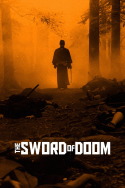
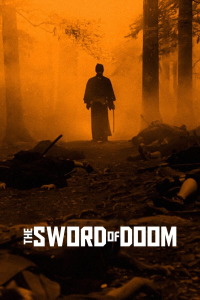
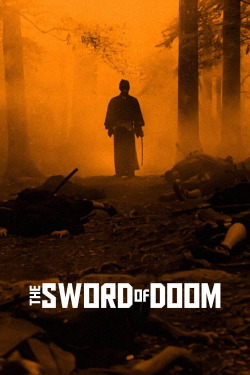
This movie, above all else, is a true and endearing reminder of the beauty of black and white photography. You only need to watch the sword fight in the snow to truly begin to understand the depth that black and white can offer. But "Sword of Doom" is more than just a well photographed relic of a bygone age, it's a true gem from Japan's golden age of film. The inclusion of legendary [and prodigious] actor Toshiro Mifune is enough to make this a must see for any hardcore Japanes film lover.
Tatsuya Nakadai plays the troubled lead, seemingly psychopathic fallen samurai Ryunosuke, to a T. His obvious blood-lust is at odds with his training as a samurai, and after Ryunosuke kills a fellow samurai in a non-lethal match [even after his victim's wife, Ohama ,gives herself to him in attempt to buy her husbands life], his fellow samurai now want him dead. When the disgraced soldier falls into a life of crime, the trail of bodies follows him as his own partners thirst to be the man who bests him. Meanwhile, the brother of the disgraced Ohama [Yuzo Kayama] trains with a legendary swordsman [Mifune] in order to bury his sister's defiler. Ohama, with nowhere left to go, reduces herself to the role of Ryunosuke's mistress, not to be held against her considering the options for widowed or disgraced women at the time. Ryunosuke's tale is one of violence begatting violence, though some fall under his blade due to their own bloodlust. The problem for our anti-hero is that he is a man of action, of brutal ends to tragic means, meaning he is a man without righteousness. As the movie makes clear, the man with a human heart, the man capable of mercy, is the only one capable of treading the deep waters of violence. Any other would simply succumb to it as the rest.
Ryunosuke is the breathing epitome of pitiless violence, making himself a magnet for men like him. Some killings are cold-blooded, some are justified, but all are a result of the recklessness of his spirit. The ending, of Ryunosuke's spiral into the nightmare of his own creation, dogged by the ghosts of his victims, also reveals that even if this loose cannon were to make it out of his situation alive, the blades of others would still be at his neck no matter where he goes. Primarily because he shows no mercy to those who are under the edge of his.
This review of The Sword of Doom (1966) was written by Dina R on 13 Feb 2007.
The Sword of Doom has generally received very positive reviews.
Was this review helpful?