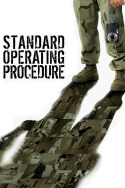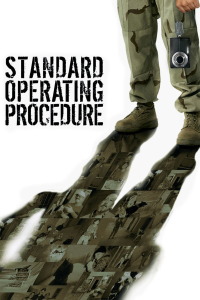
Review of Standard Operating Procedure (2008) by Thaddeus O — 18 Jan 2009
Errol Morris has such an acute eye for moral complexity and ambiguity that he elevates his subjects--even the most crass--to the level of Shakespearean or Sophoclean tragedy. The film has an almost maddening lack of narrative voice at first, but gradually the pieces fall into place.
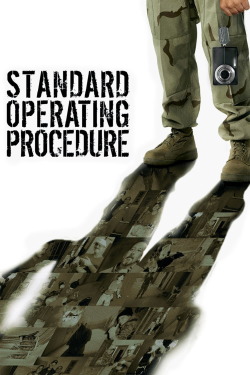
The trajectory of the film is actually encapsulated nicely by the scene where one of the interviewees explains how he was able to determine the time line, thus synchronizing and putting into chronological order the photographs from three different cameras--slowly, a scattering of snapshots takes on some coherence.
What emerges at the end is the sense that what these various people did was, indeed, wrong, but in circumstances that clouded their moral judgment and, moreover, that they were scapegoats, whereas the reputation of anyone with real authority went untarnished.
The scene where photographs are sorted into images of "criminal acts" or "standard operating procedure" evokes memories of an earlier Morris film, "The Fog of War." If "that" is standard operating procedure, then is there any point to even trying to speak of morality in circumstances of war? Is it possible to maintain one's moral decency? I would say yes, but only with strong and courageous leadership that refuses to even create a place like Abu Ghraib, where conditions foment fear, distrust, violence and madness.
This review of Standard Operating Procedure (2008) was written by Thaddeus O on 18 Jan 2009.
Standard Operating Procedure has generally received positive reviews.
Was this review helpful?