Review of Square Grouper (2011) by Karl F — 10 Aug 2012
Documentaries about marijuana always seem to come in two varieties: The pro-legalization rallying cry, and/or the expose on the government's McCarthistic overreaction to the issue. Rarely, if ever, do you see one of these documentaries really deal with the damaging effects of long-term use. These films usually feature pot-smokers who are long-haired beautiful people and the government agents who come off as a stiff, square overzealous watchdog group out to spoil the party.
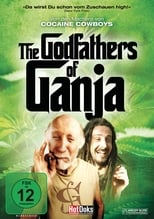
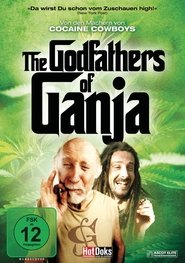
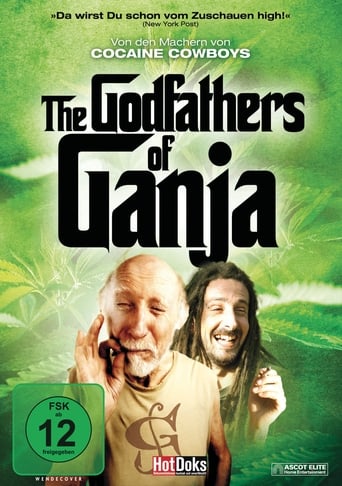
Billy Corben's documentary Square Grouper: The Godfathers of Ganja is all of these things, but that doesn't make this a bad film. It is an interesting film but not a great one. It is sort of fuzzy on its purpose but works well on storytelling. Whether Corben is pro-marijuana or not, I have no idea. What I do know is that he is very interested in focusing on some very odd and fascinating people whose lives have been touched or destroyed by marijuana, not in using it, but in the legal fury brought down on them by their association with it.
Square Grouper - which is a term used to describe bricks of marijuana dropped from planes into the water during potential busts by the Coast Guard - is divided into three parts with the common thread of dealing with the marijuana trafficking in south Florida during the 1970s and early 80s. The first story is the most fascinating, it deals with a group of people that not only made excuses for using marijuana, but tried to get around the legal problems by joining a sect that turns their pot smoking into a Christian denomination.
Begun in the early 1970s in Jamaica, members of The Ethopian Zion Coptic Church believed nothing more or less than any other Christian denomination. Despite their long beards and hazy eyes, these were not hippies. They preached from The Bible and their views were (despite their recreation) radically conservative. They believed in monogamous relationships and spoke firmly against homosexuality and free love. They believed solidly in the word of God, but with one slight difference: Their belief system offered the notion that marijuana was a sacrament, a holy rite that they had affirmed by God through the words of Genesis 1:29, which stated: "And God said, Behold, I have given you every herb bearing seed, which is upon the face of all the earth, and every tree, in the which is the fruit of a tree yielding seed.".
The group made no efforts to remain hidden. They made their views known and even published their own professionally-made newspaper. We see them over and over in old news videos, lost in a cloud of thick white smoke as they puff on pipes that look like pepper griders. They were proud of their region, and their herb, and they defended it. This was not a view shared by law enforcement. The Coptic Church settled on a small man-made island called Star Island and their drug shipping business became such a profitable money-making business for the island, where they established a livelihood for the otherwise dirt-poor population of Jamaica. They gave back to their community, creating jobs and opening businesses with the vast amounts of money they made from shipments of marijuana.
When it became known that the children on the island were also using marijuana the public relations broke down and the law moved in. At one point, The Zion Coptic Church (who set up a base in Miami in order to establish an ambassadorship) came under investigation by no less than The Miami Police, The Dade-County State Attorney, The Miami Beach Zoning Department, The Florida Department of Health & Rehabilitative Services, The Florida Department of Criminal Law Enforcement, The Coast Guard, The U.S. Customs Service, The D.E.A., The I.R.S., and The F.B.I. It was widely believed at the time that there were more agencies investigating the Coptics then those tracking the criminal activities of mobster Meyer Lansky.
The second story deals with the sad legacy of two childhood friends Robert Platshorn and Robert Meinster, ordinary kids whose lives before getting into drug trafficking seemed to contain nothing of significance. Platshorn sold appliances, and was approached on day by a colleague who asked if he had ever smuggled marijuana. The political climate of the times and the assumption that the drug would eventually become legalized (Jimmy Carter stated publicly that he wouldn't be opposed to legalizing it) led them to believe that beginning a career smuggling grass could be a lucrative enterprise. It was, and it made them millionaires. The problem was that it was at the height of their success that the FBI decided to start a drug war, with South Florida being their first major target. Their drug trafficking operation was so successful that when they were caught, the press labeled them The Black Tuna Gang, even though they themselves had never used those words. Platshorn and Meinster's operation fell apart, so did their friendships and their marriages and would leave the gang with a jail sentence of 54 years, the longest standing sentence imposed on a non-violence drug smuggler.
The third deals with no less than marijuana smuggling operations that involved virtually every citizen of the small town of Everglades City. Known, chiefly as a fishing village, when the drug poured into the region, dirt poor citizens couldn't resist the money to be made and the operation became so widespread that when law enforcement came swooping in to break up the operation, fully 80% of the town's male population was sent to prison on drug trafficking charges.
The point is made over and over again that every branch of law enforcement who tried to break down the marijuana trade overreacted and wrecked personal lives in their pursuit of ending the traffic of a drug that the smugglers don't feel is a major threat. Corben doesn't seem to have gone out and shot anything for this film, and much of it feels like a documentary made for television. There doesn't seem to be much here that merits a feature documentary.
The entirety of the film is seen through interviews with the key players, and the rest is seen through old news reels, in particular an extended news piece from Dan Rather about the Coptic Church. What works here is the editing. It is interwoven into the interviews to tells a cohesive story that has a line of drama that draws us from beginning to end. What bothers me is that the three stories don't really connect. Yes, they are all about the battles of smugglers and law enforcement, but there's nothing else to it. I'm caught between recommending the film on the basis of the storytelling and rejecting it for the end result. As individual stories it is interesting, but as a whole I was left wondering, what was the point?
This review of Square Grouper (2011) was written by Karl F on 10 Aug 2012.
Square Grouper has generally received mixed reviews.
Was this review helpful?