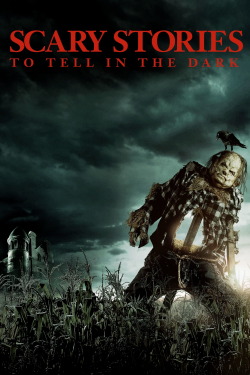
Review of Scary Stories to Tell in the Dark (2019) by Hnestlyonthesly — 07 Oct 2019
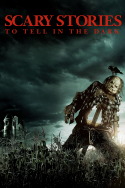
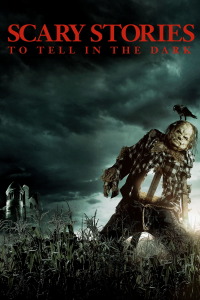
Ovredal and Del Toro’s adaptation of Scary Stories is a bit braindead, but not in ways that are completely obvious. The weakness of their muddled social commentary might have been easier to overlook if all of the monsters and scares hadn’t been given away for free in the trailer. What you’re left with is a film that will probably still scare the bejeezus out of your twelve year-old but not leave you very satisfied.
Some spoilers. “Scary Stories leans on its social allegories, but with little conclusive meaning,” write Aja Romano for Vox. I’ve written before about the need for horror films to have nimble metaphors and Scary Stories starts out strong with the way that it handles the disappearances of children by supernatural means. They are the invisible, the silent victims of forces beyond their control. That feeling of sudden loss and erasure is an apt description of the loss of the nation’s youth during the Vietnam War, and that message in and of itself is impactful for the nation’s youth of today who are yet again embroiled in a long, drawn-out, and bloody war. The time frame of the story, stretching from Halloween night through the election of Richard Nixon (2nd term) is also a really thoughtful structure that I don’t think I’ve seen before. Most Halloween movies end on November 1st and most election movies don’t mention Halloween at all. But aside from those spark of brilliance, the internal logic of the film doesn’t hold up very well. It’s thrilling when the deputy assumes that Stella’s friends have draft-dodged just like Ramone, but when Ramone leaves for war on the bus at the end, we’re sort of left wondering what lesson he’s learned from his experiences in the film. All in all, the film does a pretty poor job of commenting on the 60s just as much as it fails at encapsulating the problems of the present decade through the use of its horror metaphors.
Other kinds logical inconsistencies grate: we’re led to believe in a voice over toward the end that the lesson that Stella has learned from Sarah Bellows is “never to give up.” “If you keep on killing little children, someone will eventually solve the mystery of your death!” one Friend quipped afterwards. “There is no magic, only rage,” the old former help to the Bellows family intones during a farcically slapdash interview. This is often a problem in horror films. The chief perpetrator of the haunted violence is itself a victim, which tends to exculpate them of their present day crimes on account of “rage,” but is that really the right message? Is Sarah Bellows more rabid dog or disturbed foster child? Why is no one punished for the death of a cop at the end of this film? Presumably the other cop who leaves the children in prison for the night isn’t going to let them off scot-free? Even if I’m a little tired of giving supernaturals who act out a pass, it seems like meeting these traumatized ghosts on their level is the name of the game.
Richard Newby calls it “the Next Generation of Horror” and lingers on the empathic framework of the story and its characters which will prepare young movie goers for “social horror” films when they are more mature. Newby’s got it exactly right that Ovredal and Del Toro’s genius is about compelling the audience to sympathize with the grotesque, the radical integration of social groups that Northrop Frye describes as the duty of comedy is used as resolution in Del Toro’s work to great effect. It does no good to make the monsters evil–the woman in the hospital says, “This is a place of great evil,” not “I am a thing of great evil,” and that distinction is not quibble semantics.
My biggest sore point for the movie is that the film does such a poor job of creating a personal connection between the scary story and the person it’s associated with. Unlike in It, where each horror is designed to psychoanalyze the trauma of a band of school-aged friends, Scary Stories elects for “music over truth”, as Richard Hugo might’ve said. Probably the best scare is the first one in the corn field, and everything that you could possibly find scary about the other monsters is already laid out for you in detail in the trailer. The wax cylinder scene is a pretty good bit of horror no matter the age, but these moments are few and far between.
This review of Scary Stories to Tell in the Dark (2019) was written by Hnestlyonthesly on 07 Oct 2019.
Scary Stories to Tell in the Dark has generally received positive reviews.
Was this review helpful?