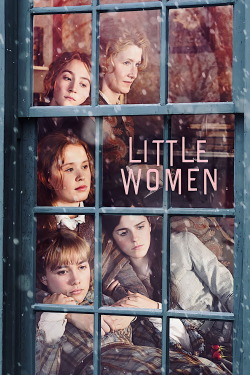
Review of Little Women (2019) by Dan_B — 27 Dec 2020
(Español / English).
............................................................
Mujercitas aborda ciertos avatares en la vida de las cuatro hermanas March, sus padres, amigos y pretendientes a partir de la Guerra de Secesión. Una de ellas,(Español / English).
............................................................
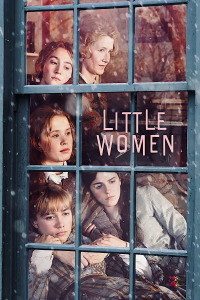
Mujercitas aborda ciertos avatares en la vida de las cuatro hermanas March, sus padres, amigos y pretendientes a partir de la Guerra de Secesión. Una de ellas, Jo, escribe y se propone ser una escritora independiente (Saoirse Ronan); Amy pinta (Florence Pugh); Meg actúa (Emma Watson) y Beth toca el piano (Eliza Scanlen). Por el momento su madre, Margaret (Laura Dern) se las arregla sola ya que el padre (Bob Odenkirk) se encuentra en el frente, lo que no le impide permanentes tareas solidarias. Hay una tía acomodada por parte de padre (Meryl Streep) y unos vecinos ricos: un abuelo y su nieto Laurie (Timothée Chalamet) que siempre anda orbitando a las hermanas.
Tanto en la novela original de Louisa May Alcott como en la película planea el tema de qué grado de independencia económica podía lograr una mujer en esa época y qué oportunidades tenían de canalizar sus vocaciones, siendo el matrimonio aparentemente el único destino posible (y no necesariamente salvador). Algo así como el universo de Jane Austin pero en EE.UU. y con las nuevas inquietudes de la época.
Con por lo menos dos versiones cinematográficas anteriores, en ésta, la directora Greta Gerwig realiza dos intervenciones fundamentales: una, en la manera de narrar, ya que alterna permanentemente la época de adolescencia de las hermanas con otra posterior a la Guerra, con las chicas más adultas. Este ir y venir crea en principio confusión, ya que toma al espectador por sorpresa. Por otro lado, en la primera parte de la película, las escenas son más bien corales, lo que sumado al permanente quiebre temporal atenta contra el crecimiento de los personajes y la empatía por ellos. En la segunda parte, en cambio, y ya costumbrados al mecanismo y con abordajes más focalizados, esta forma de relatar crea paralelismos interesantes y el relato se afianza. (Con una historia muy diferente, un planteo temporal similar funciona desde el comienzo en El jilguero, por ejemplo).
La otra intervención, enfatiza el carácter autobiográfico de la novela en la figura de la escritora Jo creando interesantes instancias metaficcionales.
Más allá de esas intervenciones, la realizadora respeta las convenciones del melodrama romántico, que es el que termina cobrando fuerza con sus desencuentros amorosos y rivalidades. De este modo este relato clásico pero intervenido termina funcionando.
Las actrices jóvenes se lucen en sus interpretaciones, Laura Dern luce expresiva y contenida, la tía de la infalible Meryl Streep es la voz del establishment y Chalamet aporta un encanto romántico esencial para su personaje.
La construcción de época es primorosa mientras que la música de Alexander Desplat es innecesariamente enfática.
..........................................................
In both the original novel by Louisa May Alcott and in the film, she plans the issue of what degree of economic independence a woman could achieve at that time and what opportunities they had to channel their vocations, marriage being apparently the only possible destination (and not necessarily savior). Something like the universe of Jane Austin but in the US and with the new concerns of the time.
With at least two previous film versions, in this one, the director Greta Gerwig makes two fundamental interventions: one, in the way of narrating, since it permanently alternates the time of adolescence of the sisters with another after the War, with the girls more adult. This coming and going creates confusion at first, as it takes the viewer by surprise. On the other hand, in the first part of the film, the scenes are rather choral, which, added to the permanent temporary break, threatens the growth of the characters and empathy for them. In the second part, on the other hand, and already accustomed to the mechanism and with more focused approaches, this way of telling creates interesting parallels and the story takes hold. The other intervention emphasizes the autobiographical character of the novel in the figure of the writer Jo, creating interesting metafictional instances.
Beyond these interventions, the director respects the conventions of romantic melodrama, which is the one that ends up gaining strength with her love affairs and rivalries. In this way this classic but intervened story ends up working.
This review of Little Women (2019) was written by Dan_B on 27 Dec 2020.
Little Women has generally received very positive reviews.
Was this review helpful?