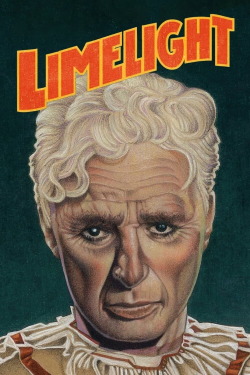
Review of Limelight (1952) by Hugo S — 14 Mar 2008
LIMELIGHT (1952).
Directed by Charles Chaplin.
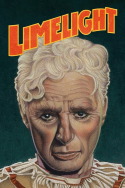
Starring Charles Chalpin, Claire Bloom, Buster KeatonThis is the story of a clown and a ballerina. The clown, is Charles Chaplin, an old man, and the ballerina is Claire Bloom, a young girl. The clown finds the ballet dancer as she tried to kill herself and after saving her life they soon start living together, as simple friends. They talk a lot while the clown is trying to get his career back on track but it never really works until they are both hired to play on a same show. She admits him her feelings and he runs away cause he thinks she belongs in the arms of another man she used to like, and a much younger one. The clown will come back a few months later for one last ultimate show.The plot is alright but the problem with it is how melodramatic it is. Okay, its expectable with Chaplin, cause all his body of work is melodramatic but here its a bit too much. There isnt enough humor and too much talk.Chaplin's dialogues are unrealistic, no ones speaks the way they do in his film, it just feels too much like a bad book. Some moments are so badly rendered by the young actress overacting that it becomes laughable in the more dramatic moments.Also, Chaplin is trying to make his film a reflection on his own career but it lacks subtlety. In Monsieur Verdoux, Chaplin tried to kill his character, the tramp, but at the end of the movie he gave us a little glimpse showing us he wasnt dead, just wanted to move on. Here, in Limelight he does a similar statement, except he doesnt try to kill the tramp, he tries to keep him alive cause he knows he is the reason of his successful career and even if he wanted to go on without him he couldnt. Chaplin is telling us that despite his success he was never a really happy man, its the usual story of the sad clown.At the end of the film when the clown is doing his last show, peopel are laughing and ask for an «encore» and he goes back on stage with a friend, played by Buster Keaton and that becomes the highlight of the film. Those two legends together, two of the first movie stars, appear together. That becomes a magical moment. The movie is way too long with all those numbers shown in almost their entierty but this last one is the reason the film is worth seeing. What is even more amazing is the way they number goes, Keaton and Chaplin both playing quietly, like in their old silent movies. The only thing I wish they had done with that scene is to shot it with less frame per seconds making it look like those old silent movies when the characters seemd to move faster than reality.
This review of Limelight (1952) was written by Hugo S on 14 Mar 2008.
Limelight has generally received very positive reviews.
Was this review helpful?