Review of Ikiru (1952) by Chris T — 04 Mar 2008
Everyone knows about Kurosawa's samurai pictures (or has at least heard of them). But during his career, he balanced those with modern films.
Japanese cinema was, in the 50s, a combination of jidaigeki (period dramas) and gendaigeki (modern films). While Kurosawa is justifiably famous for his period films (Rashamon, Seven Samurai, Yojombo, et al), he was attacked within the Japanese film community (by critics more so than by other filmmakers) for his affinity of Western filmmakers, such as John Ford (who had an immeasurable influence on Kurosawa; hence Kurosawa's "Eastern Westerns"). And Kurosawas modern films were also thought to be "non-Japanese" compared to such filmmakers as Ozu, Mizoguchi, and others.
Ikiru, though, is a masterpiece, and is unutterably moving whatever culture you come from. A very simple story -- a lifetime bureaucrat learns that he has inoperable cancer, and reexamines his live -- that, like in all of Kurosawa's work, celebrates the small details that make up the whole.
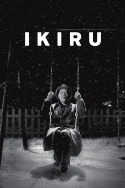
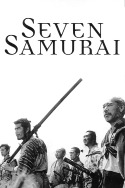
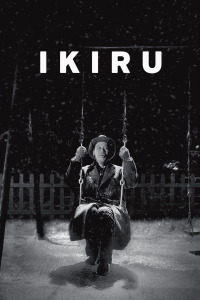
Kurosawa, ever the master, somehow takes this maudlin topic and turns into something uplifting and ultimately life-affirming. Takashi Shimura (the head samurai from SEVEN SAMURAI) gives a performance both delicate and powerful. The scene at the end -- pictured on the DVD case -- is one of the most moving and most delicate in cinema history.
The power of this film lies not so much in the story as in the storytelling. One of the undeniable classics of world cinema.
This review of Ikiru (1952) was written by Chris T on 04 Mar 2008.
Ikiru has generally received very positive reviews.
Was this review helpful?