Review of Ghost Dog: The Way of the Samurai (1999) by Ivan D — 31 Dec 2010
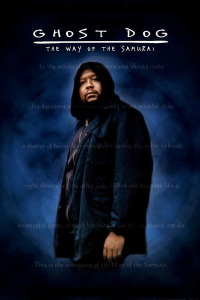
More or less, "Ghost Dog" is a slow-paced elegy about a man living his life based on an obsolete but absolute code. But with auteur Jim Jarmusch on the helm, it turned out to be something more, blending uncommon existentialist philosophies with themes such as racial generalization and the reality of criminal living.
The film is about an African-American hitman whose fascination with pigeons is far greater than his interest with human interaction. But he did have legitimate friends: A French-speaking Haitian he prefers not to understand and a naive little girl which he spends brief times conversing literature with.
These tiny bits of characterizations may stand out as 'pretentious', but what us audience can understand about Ghost Dog and his world about to violently collide with change, add the fact that even a crime family can only afford overweight old-timers as henchmen, is that people like these are commonplace and the uncommon connection gathered by the eponymous character an urgency.
But above the symbolism and layered meanings beneath the enigmatic text from the 'Hagakure', Jim Jarmsuch's main consciousness and intent may still be to simply create a crime film that will challenge the norms of the genre and also to create a level of its own(pretty much like his unorthodox western film "Dead Man").
When I first saw this film on IMDb, I slightly(but subtly, mind you) laughed about the idea of Forest Whitaker(which delivered a great performance, nonetheless) as a Mafia-commissioned neo-samurai, but again, with Jarmusch and his highly affluent cinematic mind, well, "why not?".
This review of Ghost Dog: The Way of the Samurai (1999) was written by Ivan D on 31 Dec 2010.
Ghost Dog: The Way of the Samurai has generally received very positive reviews.
Was this review helpful?