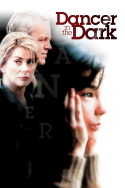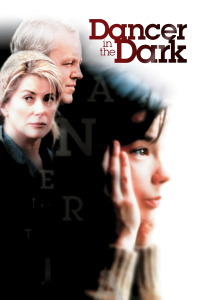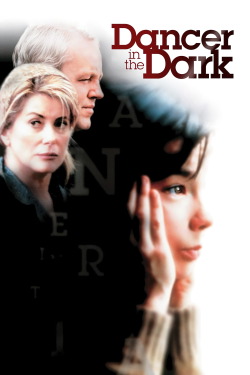
Review of Dancer in the Dark (2000) by Nathan F — 05 Nov 2008
Almost exploitatively melodramatic--Trier has been shamed for his ceaselessly tragic and manipulatively tearjerking plot, but as auteur, he is fulling aware of his thematic decisions and their implications. The film may be unreasonable in its glumness, but the situations it shows are realistically relevant--perhaps not all of this would, or even could, happen to one person, but the ideas present are familiar: the struggling blue-collar immigrant, the desperate husband, capital punishment, the foolish but admirable parent attempting to help their child. Trier certainly exaggerates the circumstances that Selma, his protagonist, finds herself in, but they are not principally excessive.
Trier uses Selma as a composite: she illustrates the hardships faced by disabled persons, she illustrates the hardships of parental sacrifice, she illustrates the power of escapism, and she illustrates the inhumanity of the death penalty. All in one may be a stretch, but remember, this is the theater!
When Trier does decide to break into song-and-dance, he saturates the colors and enlivens the image, but the tunes aren't exactly heartwarming; although they help break the mood with animated mock-diegetic rhythms, Bjork usually still moans and wails about her own tragic misfortunes.
The movie is depressing, but Bjork's command of her character is otherworldly; after production she claimed she would never make another movie after this one, and you get the sense she might be making the right call; there's nowhere to go but down. You know your emotions are being consciously called out, but the realism is unsettling; we may not believe that this woman would be executed in her particular circumstances, but when we watch the cold, sterile prison scenes, that specificity is obsolete; Trier is bringing into our head images of real, disconcerting horror. Even if Selma's trajectory is unbelievable, Trier forces us to respond to voyeuristic images of capital punishment--the crude tool, that wooden board, that Selma must be strapped to, the black hood, the noose. By refusing to cut away from the action throughout, Trier forces us to confront and question salient conceptions on immigration, punishment, and other systemic social ills; the result is melodramatic, but undeniably powerful.
With extraordinarily subdued performances, inventive musical interludes, and a confident vision, Lars von Trier has delivered a movie with smiles and tears; and it's a stunning work of art.
This review of Dancer in the Dark (2000) was written by Nathan F on 05 Nov 2008.
Dancer in the Dark has generally received very positive reviews.
Was this review helpful?