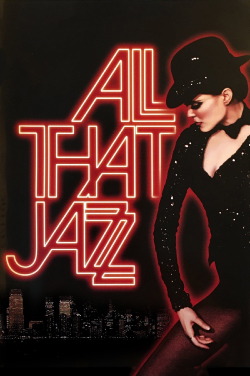
Review of All That Jazz (1979) by Blake P — 23 Nov 2014
Review In A Nutshell:
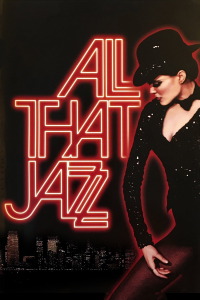
It's common for filmmakers to find a piece of themselves in the characters they create, but very few capture the biographical sense as intensely and as personally as Bob Fosse's All That Jazz. Biographical films are usually created at a time when the subject or figure that is explored has already firmly established their place in the world and some have already left our world, and the pieces we are left with to remember him/her by is the product or influence that they have left behind. All That Jazz pushes the expectations of the genre by telling a then present recount of his own life; as he was making this, he was going through the same issues as his protagonist, making the film seem much direr than what it actually is.
A sense of risk is felt when watching this particular character, slowly disintegrating through his destructive vices; but the character's flaws are not present for plot purposes, instead it is Fosse's way of crying for help. Though aware of one's own self-destructing nature, he is also aware that he is trapped by his ego, constantly hungry for perfection in order to gain that praise that allows personal satisfaction; as anybody who appreciates fine art, it is difficult to want this man to stop himself from his habits as his drive allows him to create the most beautiful of products, and it would be a shame if the public would not get the chance to see it. The film's dread and melancholy is undercut by the layer of satire that lingers on its surface; it almost seems like Fosse wants us to laugh at him because he himself is also laughing with us. He balances both of these tones wonderfully, not allowing one to dominate the other; depicting its characters and its emotions with a sense of reality.
All That Jazz's perfection also could have only been possible with Roy Scheider as the leading man, demonstrating a sense of intimacy in the way the character displays emotions, hiding the truth of himself behind his perfectionist persona; but what is most important is that the character feels human, we are watching an individual who has problems and handles them in such a flawed way, which in my opinion is humanistic. Scheider's most impressive moment was at the film's ending, where he hugs his daughter, and he looks into the eyes of his sad ex-wife, displaying tenderness without changing the tone of the scene; it was a moment that happen for only a second, yet it possesses the heaviness of something much longer.
All That Jazz captures the perfectionism qualities of humans accurately and effectively, never reaching for the melodramatic elements in order to make a sympathetic film. It also acts as a great representation of the darkness that many are not aware of within show business.
This review of All That Jazz (1979) was written by Blake P on 23 Nov 2014.
All That Jazz has generally received very positive reviews.
Was this review helpful?