Review of Wuthering Heights (2011) by Saad K — 28 Apr 2012
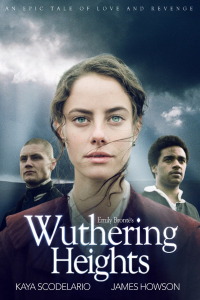
Andrea Arnold's take on the Bronte classic is best viewed with the tagline, love is a force of nature, in mind. Arnold and her cinematographer and sound designer really get to the heart of mixing human emotion with raw, bleak nature contrasting the beauty and cruelty in both.
The first half of the film works best, when the young Heathcliff is brought into the family and the complex, intense late childhood/early adolescent relationship with Cathy begins. This is intensified by the cruelty and hostility shown towards Heathcliff by a society wary of an "other", whereas Cathy's affection is innocent and pure, if complicated by streaks of burgeoning sexuality.
What isn't quite given enough weight is Cathy's decision to marry in the expected way. The return of Heathcliff as an apparently prosperous young adult is weaker. Whereas the primal emotions of childhood worked well with the films style, the attempt to carry this on falls down.
The emotions of adulthood are far more complicated and the monosyllabic, force of nature style fails to communicate them. It's unclear why Heathcliff returns and why his obsessive love for Cathy is still so strong, although Cathy's shedding of her puppy fat makes the physical attraction stronger.
Heathcliff cruelly uses Isabella as emotional revenge, but none of it comes across as more then emotionally immature brooding and pouting, although perhaps that may be the point. It may be the case that having no knowledge of the book is a rare positive with this adaptation, I certainly found much of it powerful even if it loses its grip towards the end.
I can understand how purists may find Arnolds conscious attempt to inject some new energy into the narrative unnecesary and even crude.
This review of Wuthering Heights (2011) was written by Saad K on 28 Apr 2012.
Wuthering Heights has generally received mixed reviews.
Was this review helpful?