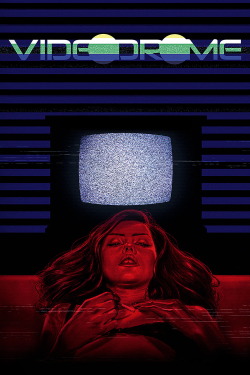
Review of Videodrome (1983) by Adam T — 30 Jul 2009
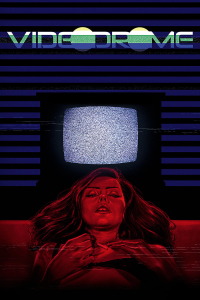
When this film was unleashed onto an unsuspecting public in 1983, public and critical reactions were apparently quite divided, and for very obvious reasons. Videodrome is an uncompromising work, esoteric and somewhat incomprehensible, gruesome and perverse, a savagely original film just brimming with graphic sex, sadomasochistic violence, and outrageous latex makeup effects.
Stylistically, Videodrome is a masterpiece; it manages to cultivate a genuine atmosphere of discomfort and dread, aided prodigiously by the creepy electronic score composed by Howard Shore, and it defies easy categorization: it is like some twisted and disturbing offspring of science fiction, horror, neo-noir, and surreal pop art.
But what truly pushes Videodrome into the upper echelon of cinematic masterpieces is the intellectual complexity of the ideas that it presents. Inspired by the writings of philosopher and communications theorist Marshal McLuhan, Videodrome was light years ahead of its time in its exploration of the increasing integration of technology into our daily lives, and of the role the corporate media plays in shaping our perceptions of reality.
Videodrome is a prescient look into the future, a philosophical treatise disguised as a late-night cult classic, a prophetic "Book of Revelations" for the modern digital age. I have seen this film approximately 12 times now and I consider it one of my very favorites.
Whether you are a gore hound on the prowl for something shocking, a college professor interested in the conflict between reality and perception or the rise of personal technology in our culture, or just an avid cinephile vigilantly seeking out something unique and original, do not overlook this spectacular masterwork of the cerebral and the grotesque.
"Long live the new flesh.".
This review of Videodrome (1983) was written by Adam T on 30 Jul 2009.
Videodrome has generally received positive reviews.
Was this review helpful?