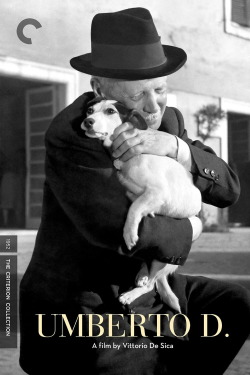
Review of Umberto D. (1952) by Edwin K — 27 Apr 2009
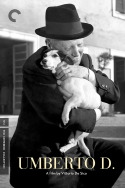
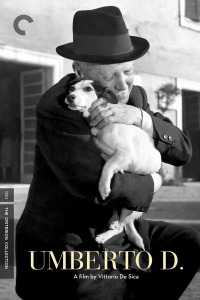
This is an endearing masterpiece that I've always valued so highly of. If I had to name some of my favourite films, this will no doubt be included in it. I love the film a lot because everytime I watch it, it gives me that jolts of realism and truth that I seek in film. I connected with the film immediately from the start till the very end at the highest of emotions. I empathized and sympathized with Umberto, our unlikely main character. He is lonely; he lives in a shit hole; he needs money; he has "friends" who won't help him out when he needs it; this man is at the bottom of his life trying to go through his day as little of pain as possible. Nothing more, nothing less. Flike (the dog) as it seems, is one of, if not the reason that keeps him alive and well. These two society outcasts depend on each other. Flike provides happiness, and in return Umberto provides food and shelter. And as fucked up as it might sound, I could totally reflect my life in the old man. Just a year ago when I was repeating school, I didn't know anybody; one thing that kept me going is to get back home to get greeted happily by my dog. The similar thing happens in the film: when the old man purposely goes to the hospital to save some money. Even though Umberto has bigger problems to think of, he can't stop but to worry about his dog more than anything. He knows that Flike is helpless without him. After all, what can the dog do? His worry about rent payment, money, etc is overshadowed by his worry for his dog's status. I completely bought that. When I am out, and there's no one at home; I am seriously worried about my dog. It's like leaving your younger sister/brother, or daughter/son at home alone. It's a terrible feeling. This is a sign of every dog owner's care.
I also felt sorry for Umberto when he was about to beg for money on street. He thinks it's a disgrace and cheapening yourself is as good as dead (calling one of the friends who does it, "dead"), but he has no other choice but to. To hide the embarrassment, he gets his dog to take his place. In what seems to be a cute trick, beneath lies desperation, a cry for money (I recalled my memories of visit to downtown Toronto). A high class friend of Umberto passes by, and recognizes Flike. Umberto, who was hiding behind a building, comes out and says he had his dog to do a trick for amusement, is all. He doesn't want to cheapen himself, especially in front of his friends. Umberto finally realizes he can't do any good for his dog. While his dog is still providing happiness, Umberto is guilty that he won't be able to either offer food or shelter for Flike. He decides to give it away to people for the better; still, no one wants it; like the cold, brutual post-war society they are in, no body wants to help anybody. Everyone for themeselves. Umberto even considers killing the dog. It's pretty bad, but I understood his action just as I understand why people put their animals to sleep. Umberto KNOWS that there are going to be a lot of suffering for the dog had he not pass on. Flike lives, so does Umberto.
Some of the people on IMDB suggest it's a happy ending, but I beg to differ. So, they made out the day ending the film, but what about the life after the film? We watched the film progressing into poverty, not from the start of poverty. The film ends before none of the real troubles kick in. It will get much uglier. Umberto still has to back to his daily routine; nothing has changed, or will likely change. Two of them survive having a walk in a park, but for how long?
This review of Umberto D. (1952) was written by Edwin K on 27 Apr 2009.
Umberto D. has generally received very positive reviews.
Was this review helpful?