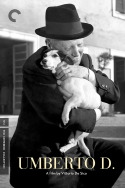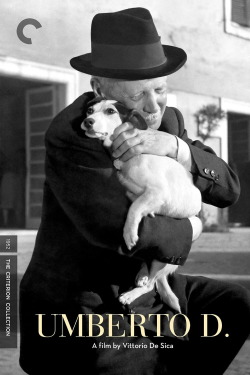
Review of Umberto D. (1952) by Peter K — 11 Nov 2010
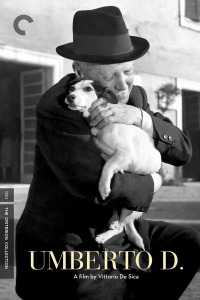
This classic of Italian Neo Realism is seen by many as being the high point of this short lived genre and regarded by many as being De Sica's masterpiece. Having enjoyed The Bicycle Thieves I was fully prepared for a similarly transformative experience with Umberto D. What then went wrong? There were things I could admire of course, the scene where Umberto takes his dog, Flike, to the railway line in a desperate suicide attempt and then is blown back by the speed of the train is very effective, the force of the train appearing to represent the rejecting force of death itself. There is also the unique and timelessly individual style of filmmaking that all the Italian Neo Realistic films share; the wonderfully naturalistic feel conveyed with the real life sets and non professional actors.
The main problem I had was and I feel a bit heartless saying this - I just could not care for the plight of the old man. I found him a rather bitter and selfish man who has probably led quite a privileged life under the fascists and is now paying the price for that. I found myself almost wanting him to kill himself. The key turning point for me was the scene where he is looking for Flike and he meets Maria, the maid servant who has looked after him with kindness and patience, who has just had an argument with her lover and is touching her cheek presumably having just been hit. Umberto does not care for her plight ignoring or not even noticing her pained expression asking her instead whether she has seen his dog. It is here when I gave up on him and I saw him as being part of a sort of human disease as I see it; this canine loving insanity. The film's message is ultimately quite upbeat and optimistic, showing us how we should always look for love and hope in times of trouble. I can't argue with that. I just believe that we should look for these things in our own species first and foremost.
The Bicycle Thieves was so effecting I think because it portrayed the very human need for a father to provide for his family in times of great poverty. Umberto D, however is about somebody who no longer looks or cares for other people and so they no longer look after or care for him. All in all, these issues effected my enjoyment of the film as it seems we were intended to feel sorry for Umberto D and all I ended up feeling was frustration and anger. I also found it slightly ridiculous the way that everybody was so mean to him, The Bicycle Thieves did not seem to have this contrived element to it nor did it lapse into sentimentality as I feel this did. I know I'm in the minority in not liking this but I guess it just shows what a personal and subjective medium film can be.
This review of Umberto D. (1952) was written by Peter K on 11 Nov 2010.
Umberto D. has generally received very positive reviews.
Was this review helpful?