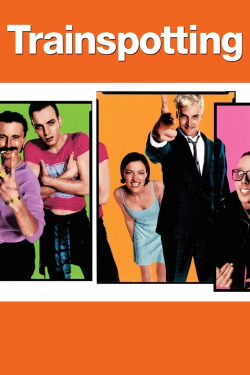
Review of Trainspotting (1996) by Beata M — 19 May 2012
Plot: Mark Renton (McGregor) is a young junkie besieged by the throes of drug addiction. Initially an incorrigible miscreant, Mark begins to overcome his addiction by reflecting on the circumstances surrounding his life, his future and his relationships with his fellow addict reprobates.
Review: My conscious mind was somewhat stricken by Boyle's fearless and gratuitous display of a subculture that is not necessarily misunderstood, but misrepresented. Put Trainspotting on the same level as Requiem for a Dream. It's dirty, gritty and unsympathetic in its brazen display of a lifestyle that is relentlessly perpetual and destructive. From decaying and begrimed pub toilets, to dilapidated junkie-havens to soiled bed sheets and pop-culture-reference-ridden clubs, the typical suburban and sheltered viewer (like myself) is alienated and thrust into a world that is practically never heard of and quite frankly, avoided. For want of a better word, the production design in Trainspotting is breath-taking (for more reasons than one). Boyle's auterial style is truly unique and refreshing. The film is directed with such energy and love that it's hard to not feel the same way about the film itself.
John Hodge's screenplay, based on Irvine Welsh's cult novel, is written with such flair that one cannot help but grin at every line of Mark's narration. Over-the-top and charming characters spit forth Scottish colloquialisms with a faculty that I'm somewhat envious of. I'd love to speak that eloquently, even if the accent is indiscernible at times. But Trainspotting's screenplay might just be one of my favourites.
McGregor leads the cast with the unique charm that we have all come to love him for. Boyle's love for characterization produces an ensemble that is so ridiculously delicious (apologies, but it fits) that at times, drug abuse seems dangerously appealing. I think that very well might be half of this film's appeal. There is delicate but well-defined balance in the portrayal of drug addiction. Apparently (and attractively?) the abuse is "better than sex" but at the same time it's the most horrific "sheit" on Earth. In the end, Boyle (and Hodge for that matter) respect the autonomy of the audience, rather than the demands of conservative censorship.
Don't expect Requiem and do not expect Candy. This is a happy film about drug abuse (a paradox, I know). The film will, at times, force you to reach for a nearby bucket or disposable/washable household object, but enjoy every ridiculous situation, every relevant subplot and every character. Trainspotting, as it has already proven, is one for the books.
This review of Trainspotting (1996) was written by Beata M on 19 May 2012.
Trainspotting has generally received very positive reviews.
Was this review helpful?