Review of Three Colors: Blue (1993) by Spangle — 16 Sep 2016
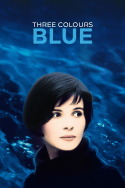
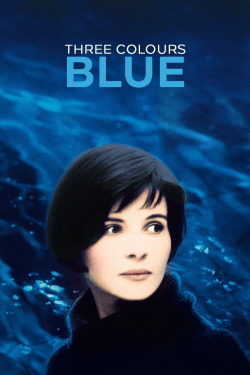
Directed by Krzysztof Kieslowski, Three Colors: Blue is a truly immaculate film. Visually stunning with a pitch perfect score, the opening film of Kieslowski's acclaimed Three Colors trilogy and first entry into his filmography is an utter marvel for the eyes, the senses, and the heart. Utilizing a sapphire look to the film to encapsulate the main theme of grief, the film tells the story of Julie (Juliette Binoche) grieving after the death of her husband and daughter. After initially shutting off the world, she learns to reopen her heart and move on after his death by returning to her generous and loving self. Open to a wide variety of interpretations, it is a tough task to try and put your finger on what this film is ultimately trying to say to you, but one thing is certain: it is brilliant.
With a beautiful score from Zbigniew Preisner, the music takes center stage in Three Colors: Blue with numerous scenes fading to black to allow the music to really hit some high notes before fading back in to continue the scene. There is even a sequence at the end where Kieslowski opts to have the camera go out of focus as Julie and Olivier (Benoit Regent) work on finishing the concerto written by Julie's late husband Patrice. A beautiful sequence of indescribable melody, the film's music really encapsulates the sheer beauty and wonder of this film. I am no music expert, but to say that the music in this film is beautiful and meaningful would be a terrific understatement.
The cinematography is beautiful, but then again, I am a sucker for any significant use of color as is displayed in this film. Often signifying depression, sadness, or simply grief, blue is used to perfection in this film. Though not every shot is draped in blue, certainly a significant portion of it is displaying blue to some degree. The way in which Kieslowski works in the color in seemingly mundane ways is brilliant and highlights the detailed and subtle nature of this masterpiece.
On that point, Three Colors: Blue is an incredibly detailed film that demands to be re-watched multiple times in order to not just pick-up on everything that Kieslowski is laying down, but to also try and come to some kind of determination as to what the film is telling you. For me, the story is about a woman grieving and learning how to deal with that grief. After initially destroying everything that meant something to her old life and liberating herself from that weight, she learns that the past cannot be escaped. Instead, by embracing her past and letting herself move past the pain, she will liberate herself from it. Rather than running, she can stand still and move past her immense grief. That said, maybe I am way off.
Overall, Three Colors: Blue practically never puts a foot wrong. Impeccably crafted with a wonderous score, beautiful visuals, and incredible heart, Three Colors: Blue is a moving, stirring, and passionately told story about loss, grief, and liberating yourself from that grief.
This review of Three Colors: Blue (1993) was written by Spangle on 16 Sep 2016.
Three Colors: Blue has generally received very positive reviews.
Was this review helpful?