Review of Thirteen Women (1932) by Nate T — 18 Feb 2012
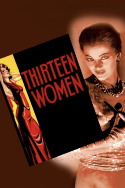
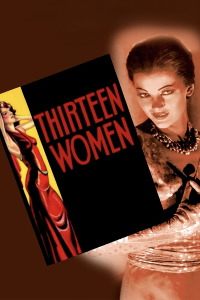
Thirteen former sorority sisters start to receive, one by one, a horoscope prophesizing their doom from a renowned swami. When the prophecies begin to play out, the remaining few gather to fight their destiny. It turns out Myrna Loy attended their college but wasn't accepted into the sorority because she was a half-caste Hindu. It's Loy who is behind the letters, having influenced the swami with her mind powers, and she's out for bloody revenge on the girls who shunned her.
Sounds like the plot of an eighties slasher like "House On Sorority Row" right? Wrong, this was made in 1932, taking advantage of that small window before the Hays Code shut the party down. I can't say if the makers of the "Final Destination" series were influenced by this but the theme of trying to escape your fate is very similar. The opening scene involving a trapeze act feels like a thirties precursor to the set pieces of that franchise. There's an effective scene on a subway platform, Archainbaud ratcheting up the tension by exaggerating the sound of the station turnstiles.
Hollywood wasn't known for raising the issue of racism in the early thirties so the motives of Loy are quite a curiosity. Tellingly though she isn't portrayed with any of the sympathy such a character would evoke in a contemporary movie. Likewise the mention of a miscarriage feels pretty heavy compared to the general frothiness of thirties cinema. One of the women implies a promiscuous nature which will be a bit of a shock if you're not familiar with pre-code cinema.
Irene Dunne plays a single mother, trying to stop Loy from claiming the life of her son. How often do we see a single mother as the heroine of a movie now let alone back then? Male audiences may have found this early feminism uncomfortable. In his review at the time, New York Times critic Mordaunt Hall noted "an uncomfortable absence of hearty male chatter in this demoniacal intrigue".
Several characters meet their fate through suicide, a topic that immediately became taboo once the code was introduced. In possibly the first creepy offscreen coincidence surrounding the production of a horror movie, star Peg Entwistle ended her life on the day of the film's release. Dramatically, she threw herself from atop the letter H on the famous Hollywood sign.
It may be creaky even for it's era but it's a nice little curiosity piece and an interesting foreshadowing of the slashers that would appear almost half a century later.
This review of Thirteen Women (1932) was written by Nate T on 18 Feb 2012.
Thirteen Women has generally received mixed reviews.
Was this review helpful?