Review of The Wolf Man (1941) by Murder C — 12 Aug 2010
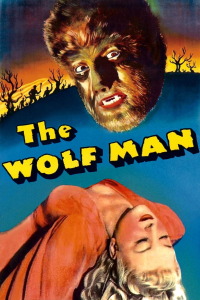
In 1941, Universal Pictures released the last of their truly great monster movies, The Wolf Man. Ten years after the success of Dracula and Frankenstein, Universal needed a new monster and a new star. Bela Lugosi's star had fallen considerably since and he was not considered a profitable lead. Boris Karloff's last picture as a monster was 1939's Son of Frankenstein and he felt he had become too old to play monsters, nor did he want to any longer. So, stepping into the shoes was Lon Chaney Jr. After displaying considerable acting chops in the widely acclaimed Of Mice and Men and showing the exec's at Universal that he could do horror with a B-movie entitled Man-Made Monster, he was cast in the role that made him famous, Larry Talbot, the Wolf Man.
The film was shot on what was considered a B-grade budget, but it's quality was certainly higher than that. The cast was full of Oscar winners and nominees like Claude Rains (The Invisible Man, Casablanca), highly respected actor's actors like Maria Ouspenskaya, and horror veterans like Ralph Bellamy (Ghost of Frankenstein) and Bela Lugosi. The cinematography and score are both some of the finest in any of the Universal monster movies. It's perfectly dark and has that fantastic gothic atmosphere -- foggy graveyards and dark forests are used to full extent. Go back and listen to the soundtrack and tell me it doesn't sound like the theme Danny Elfman created for the Batman movies. The script by Curt Siodmak was so well written that some of the concepts he invented for the film have since been rooted in our imagination as being actual old-world werewolf folkore.
As our story opens, Larry Talbot, second son of Sir John Talbot (Claude Rains) is returning to the village of his birth to claim his right as heir to the Talbot fortune and title. Larry had left home to find his own way in America for seventeen years as his older brother was being groomed to become Lord Talbot. A briefly mentioned hunting accident ended his brother's life making Larry the number one son and heir. Larry and his father pledge to let their strained relationship be buried in the past as they forged a new, closer father-son bond. Much regret is felt from both Larry and Sir John and the two actors work very comfortably together (no mention is made of Lady Talbot). Larry almost immediately becomes interested in Gwen Conliffe (Evelyn Ankers) the daughter of the village antiques dealer. In the famous scene where Larry and Gwen meet, Larry purchases a silver, wolf-headed cane that would seal his destiny. (Destiny by the way, was the film's working title.).
Larry accompanies Gwen and her hapless friend Jenny to a gypsy camp outside town to have their fortunes told. Haplessly enough, Jenny is separated from her friends and is attacked by gypsy Bela Lugosi in the form of a wolf (fun fact: it was actually a German Shepherd named Moose; they couldn't find a wolf who could act the part). Larry, being the good guy and sympathetic hero type he is, hears Jenny's cries and runs to her aid, beating the "wolf" to death with his cane. In the fray, Bela the Wolf bites Larry.
That's were Maria Ouspenskaya as Maleva, Bela's wise old gypsy mother comes in. Maleva seems to know everything there is about werewolves and dispenses her knowledge with some of Siodmak's best written lines. At this point the character of Maleva becomes the emotional and spiritual mother figure to Claude Rains' father of intellect and reason. One of the best acting moments in the film takes place when Sir John is confronted by Maleva right before the big climax. Emotion and intellect square off in the personages and talents of two of the finest actors in Hollywood at the time. That is certainly not B-grade quality. It also foreshadowed the showdown that was about to occur in Larry's own torn-apart life.
By modern standards the makeup for The Wolf Man is a bit dated. It's been said that Lon Chaney Jr. looks more like a wild boar than a wolf. Consider that makeup magician Jack Pierce who was responsible for Frankenstein, the Mummy and many other Universal monsters was working "out of the kit" using materials like yak hair, collodion, spirit gum and cotton because there was no cool animatronics used so effectively in An American Werewolf in London were available back in 1941. You'd argue that he doesn't look too much liek a wolf. Maybe the MPPDA (the MPAA of it's day) had something to do with that, because it's been reported that they didn't want the monster to appear to 'beastial'. Which brings up the film's initial attack. Bela the wolf has the same condition as Talbot eventually comes down with, but he's just a wolf. Talbot later transforms into a creature that walks on two legs and appears much more man than wolf.
Verdict: The Wolf Man is truly one of the greatest horror films of the ages. Ever since I was young, I've always loved and prefered this movie to the rest of the beloved classic Unifersal Monster movies (well, it's a toss-up between this and The Creature from the Black Lagoon). On the Mt. Rushmore of movie monsters, Larry Talbot would have the Thomas Jefferson spot up there next to Dracula, Frankenstein and The Mummy.
This review of The Wolf Man (1941) was written by Murder C on 12 Aug 2010.
The Wolf Man has generally received positive reviews.
Was this review helpful?