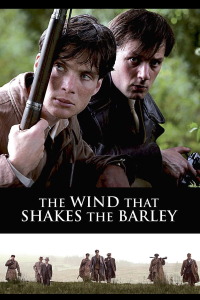
Review of The Wind That Shakes the Barley (2006) by Daniel S — 28 Jun 2009
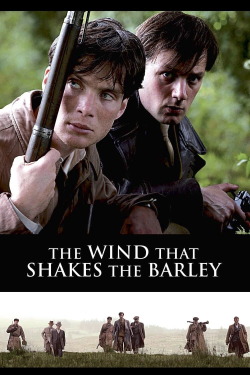
Ken Loach's film takes its title from the Robert Dwyer Joyce ballad, which documents a doomed rebel of the 1798 uprising. The rebels, as provisions when on the march, carried barley. The song is sung in an early scene of a wake.
Loach's film serves as an ideal companion to his earlier Land And Freedom and documents the relationship of two brothers during the period of the Irish War Of Independence and the Irish Civil War (1919 - 1923).
Cillian Murphy plays Cork born Damien, a recent medical graduate set to follow his profession to London. But when he witnesses the murder of a friend at the hands of the Black and Tans and a separate attack on a train guard for refusing to carry British troops he decides to join his brother Teddy (Padraic Delaney) who is a commander of the local flying column in the Irish Republican Army.
The film follows the two brothers as they wage their war against British occupation until the declaration of the Free Irish State and the eventual divisions in the Republican movement in its aftermath, which sees the brothers themselves divided and on opposing sides of struggle and compromise.
At this point the brothers fulfill their narrative purposes and become metaphors for the division of Eire and the six counties into The Republic Of Eire and Northern Ireland. The long take/sequence shot and resistance to traditional suture are the hallmarks of Loach's work and they are richly deployed in career defining fashion and never has he been at his cinematic and creative best.
There are large historical holes the film does not deal with but as Loach has pointed out the core of the film is concerned with the debate around a nationalist and socialist revolutionary process. Like Land And Freedom Loach leaves arguments surrounding historical fidelity to academics.
As is common for Loach he is far more interested in the human cost of struggle and the analysis of the individual within a group. Its sombre denouement testifies to the sad truth of colonial struggles: the colonizer has always remained within the structures and relationships fostered by capitalism and the private ownership of resources and property.
This review of The Wind That Shakes the Barley (2006) was written by Daniel S on 28 Jun 2009.
The Wind That Shakes the Barley has generally received very positive reviews.
Was this review helpful?