Review of The War of the Worlds (1953) by O'murphy M — 14 Nov 2010
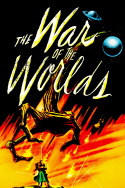
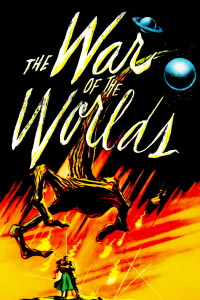
âToo Late for Tearsâ? director Byron Haskinâ(TM)s âThe War of the Worldsâ? qualifies as the first cinematic adaptation of H.G. Wellsâ(TM) classic science fiction yarn about aggressive alien invaders from Mars that attack Earth and try to wipe out mankind.
Produced by legendary sci-fi producer George Pal, who later produced âDestination Moonâ? (1950), âWhen Worlds Collideâ? (1951), âConquest of Spaceâ? (1955), and later âThe Time Machineâ? (1960), âThe War of the Worldsâ? is not only a landmark thriller about invading Martians ranks, but also the first big budgeted epic about an alien invasion.
Leading man Gene Barry became a household name several years after âThe War of the Worldsâ? as the legendary lawman on the television series âBat Mastersonâ? that ran from 1958 to 1960. During his 50-plus year career in Hollywood, Barry made only two other sci-fi related titles âThe Atomic Cityâ? (1952) and âThe 27th Dayâ? (1957).
At the time of âThe War of the Worlds,â? he was the top-most name in the cast. This large-scale movie received an Oscar for Best Special Effects for 1954 and created the template for sci-fi films about pugnacious extraterrestrials out of rid planet Earth of mankind.
Pal, Haskin, and âThe House on 92nd Streetâ? scenarist Barrà (C) Lyndon have masterfully orchestrated the special effects and the human story. They forged a timeless formula here that inspired later movies, principally âIndependence Day,â? in the depiction of war between mankind and extraterrestrials.
Several differences between Wellsâ(TM) novel and the film are immediately recognizable. First, Wellsâ(TM) novel takes place during 1898 and is set in England, while the movie transpires during the early 1950s and occurs in California.
Second, the alien spacecraft are cylinder-shaped, while the spacecraft in the film resemble manta rays with a periscope shaped like a hooded cobra. The Martians peer through a lens that contains three colors: red, yellow, and blue.
Moreover, although the spaceships in the novel are vulnerable to human firepower, the exotic looking Martian spaceships in the movie are impervious to anything that humanity hurls at them and they come equipped with their own â~protective blister,â(TM) a force field that protects them under a giant, invisibly umbrella.
Third, the Martians in the novel look nothing like those in the movie. Fourth, the protagonist in the novel is a Victorian journalist who sets out to be reunited with his wife when the aliens arrive. In Haskinâ(TM)s film, the protagonist is a scientist.
The biggest difference between novel and film concerns the demise of the Martians. In the movie, for example, the Martians are defeated not by the most awesome weapons that the military can unleash, but through bacteria.
âThe New York Timesâ? critic rhapsodized about âThe War of the Worldsâ? in his August 14, 1953 review and noted âfor all of its improbabilities, an imaginatively conceived, professionally turned adventure, which makes excellent use of Technicolor, special effects by a crew of experts and impressively drawn backgrounds.
â?
This review of The War of the Worlds (1953) was written by O'murphy M on 14 Nov 2010.
The War of the Worlds has generally received positive reviews.
Was this review helpful?