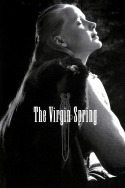
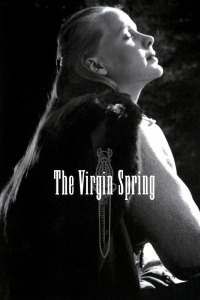
Review of The Virgin Spring (1960) by Chase M — 30 Oct 2007
[color=black][font=Tahoma','sans-serif][size=2]Ingmar Bergman is perhaps the greatest director to have lived. The Virgin Spring is widely regarded as one of his masterworks (and is in fact, about to receive a Criterion box set release in 'four masterworks').
Every time I see on this man's films, I have never failed to have been shocked. One of his few films Bergman didn't write himself, Spring was penned by Ulla Isaksson, who demands respect in her own right.
The film illustrates an olden religious tale, taking place in a land where Christianity is flourishing, but does not yet rule. The film centers around one family, led by the patriarchal figure of Tore (played by Bergman regular Max von Sydow).
There adopted daughter, Ingeri, still worships the god Odin in secret, and wishes harm upon her younger sister Karin. Karin, is beautiful and young, and all too trusting. She has an infectious care-free attitude, and is adored by her parents.
In the first act of the film, she has over-slept, and is sent by her parents to take offerings to their priest. At times, one becomes annoyed with Karin, but her kind innocence is crippling. The Bergman hits us.
On her way, she meets a trio of poor brothers. She is kind to them, sharing her food. Then, they rape her. There's no clever way to put it, it happens just as I said it, bluntly and brutally. Though very little is seen, and the sequence is really rather tame by today's standards, the scene still hits hard.
For me, it brought to mind Peckinpah's Straw Dogs, if only for a moment. The brutality and bluntness of the scene echo the entire film. Bergman nearly always brings to bear the horrors and cruelty of humanity and life, yet this film has fewer adornments that many of his films.
This is not necessarily a bad thing, it brings about a different feeling. The epic feel of the likes The Seventh Seal or Shame is not there, it is a even grittier, up-front tale. Bergman, as he often does, poses many questions without answers.
The rape, the father's vengeance, these sequences are truly brilliant in their simplicity. Bergman doesn't develop them much, nor should he have. These acts aren't built up to in life, they happen.
Though this film may not be one viewers will return too as much as some of his other films, Bergman's brilliance is as eminent as always.[/size][/font][/color].
This review of The Virgin Spring (1960) was written by Chase M on 30 Oct 2007.
The Virgin Spring has generally received very positive reviews.
Was this review helpful?