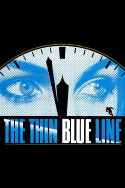
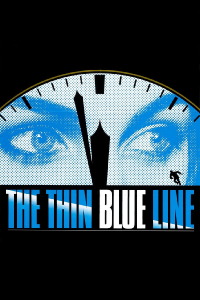
Review of The Thin Blue Line (1988) by Zane U — 27 Dec 2010
The films of Errol Morris are like no other documentaries being produced today. Slow, obtuse, profound, and lacking a real sense of narrative cogency, they somehow transcend their own subject matter. Whether as seemingly insignificant as pet cemeteries (Gates of Heaven) or as relevant as global politicking (The Fog of War), Morris presents us with as little as possible - still images, plain sequences of dialogue - and calmly invokes the unimaginable.
The Thin Blue Line, a film which focuses on the murder of a Dallas police officer in 1976, purports to be about the miscarriage of justice, but somehow becomes a damning statement on the human condition.
Constructed of interviews with officers, lawyers, and witnesses, the film recounts a pointless violent act which implicitly demands justice. But beyond a moral axe to grand, Morris finds his subject no more important than the metaphor he finds in it (which is to say, very).
Through the dissembling of the officers and prosecutor intent on laying blame, the poppycock of moralizing witnesses, and the even-keeled sociopathy of the man who probably committed the crime, Morris shows us how muddled the search for truth can be, how our willful creation of false fictions blur the answers we find in black and white.
This review of The Thin Blue Line (1988) was written by Zane U on 27 Dec 2010.
The Thin Blue Line has generally received very positive reviews.
Was this review helpful?