Review of The Sun Also Rises (2007) by Benjamin C — 03 Sep 2008
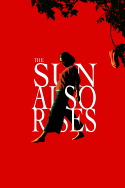
One of the most richly texualized Chinese films in recent years, highly reflective of the interwined personal experiece(mostly repressed sexual experience) with the patriachal modern Chinese history.
Elusively enough, the film reveals the meaning of martyrs. The martyr is always an absent signifier. Although his name is "not empty"(bukong), he leaves only clothes and political symbols without concrete bodies. He takes on an empty Russian name "Aliosha"by his wife and the wife often recites "ci di kong yu huang he lou". Later the martyr's nomination is also depreived as the son is told " your father is not a martyr while your grandfather is".
This film can be approached via different perspectives, such as gender relations (Kaqiusha as cannon and girl's name), psychoanalysis(rich symbolic meanings)etc. Each perspective can be proved to be fruitful. However, this film is very hard to digest in the first watching experience, largely because it adopts a retrospective temporal sequence, which renders the subplots and symbolic meanings unmotivated without the general understanding of the whole film plot. Although such a reversed narrative sequence can put the climax in the end of the film, it should have, at least, given some hints to the audience, who obviouly could not rewind the film to the beginning in a theater. This lack of consideration of the actual watching film experience in the theatre reasonably explains the film suffered from a box office flop.
This review of The Sun Also Rises (2007) was written by Benjamin C on 03 Sep 2008.
The Sun Also Rises has generally received positive reviews.
Was this review helpful?