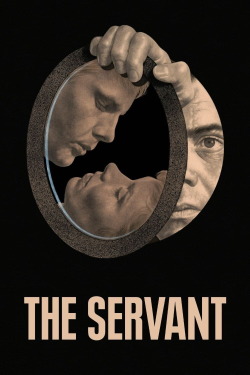
Review of The Servant (1963) by Steven L — 24 Nov 2012
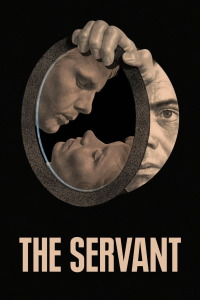
Joseph Losey in The Servant (1963) tells a story not only through what happens to the characters, but by using mise-en-scene, or what objects/images surround the characters. Using this technique, Losey is able to implant the filmâ(TM)s gay romantic context in subtle ways.
For example, images of women and images of men are set-up to convey different messages. Men are frequently highly-detailed, muscularâ"as objects of desire, whereas women are portrayed as cartoonish and queered, such as particular image of a line-drawing of a person reminiscent of a drag queen.
These images help to clarify Tonyâ(TM)s feelings toward his servant, Hugo. Another element Losey uses to subtly convey the homoerotic underpinings of the story is how Hugo is used as a divide between Tony and his fiancà (C), Susan.
For example, Tony is often strategically placed in the middle of the screen, literally between Tony and Susan. This happens even when Hugo is merely moving in the background.
This review of The Servant (1963) was written by Steven L on 24 Nov 2012.
The Servant has generally received very positive reviews.
Was this review helpful?