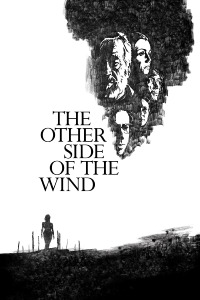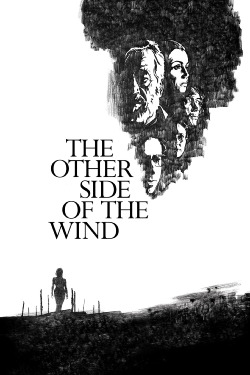
Review of The Other Side of the Wind (2018) by Art S — 12 Nov 2018
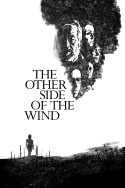
Finally completed in 2018 (after shooting concluded in the 1970s) and long after Orson Wellesâ(TM) death in 1985, due to the considerable efforts of Peter Bogdanovich (star), Oja Kodar (star and co-writer), Frank Marshall (producer), and Bob Murawski (new editor to complete Wellesâ(TM) work that he left unfinished), among many others, including the team from Netflix who supplied the capital to get the project finally done.
The result is intensely stylised in true Welles fashion, although not immediately recognisable as his work, save for some similarity to F for Fake (1973; perhaps due to the presence of cinematographer Gary Graver and Kodar again).
But that other 70sâ(TM) work was an essay film (and there were a few others, such as Filming Othello, 1978) but for all its charm and trickery and ground-breaking form, it is nothing like the over-the-top madness of T.
O.S.O.T.W. There are two central conceits that set the groundwork for Orsonâ(TM)s stylistic fireworks. First, director J. J. Hannaford (John Huston) has invited an array of reporters, cineastes, etc. to a party at former star Zarah Valeskaâ(TM)s (Lilli Palmer) house and they bring all manner of cameras and recording devices, thus resulting in a dazzlingly-edited, multiply-mediated presentation (colour, B&W, different film stocks and resolutions).
Second, at the party (and also in an earlier scene in a screening room), we are treated to Hannafordâ(TM)s latest film which is a work in progress; this one is in widescreen and colour and very possibly a parody of Antonioniâ(TM)s Zabriskie Point.
In other words, we are shown an older directorâ(TM)s attempt to make a hip film for rebellious youth, full of nudity and sex (courtesy of Kodar, Wellesâ(TM) lover at the time) and some psychedelic rock (whereas the rest of the film has a cocktail jazz score by Michel Legrand).
That film inside the film has some beautiful shots, especially in contrast to the narrative about Hannafordâ(TM)s troubles in financing the film, but it is otherwise vapid and boring (decidedly on purpose).
The rest of the film could likely be called Fellini-esque, with an array of different faces and eccentric characters on display and a plot that might echo 8 Â 1/2. The dialogue whizzes by a bit too fast to process but undoubtedly there are some snarky lines and cynical observations about Hollywoodâ(TM)s machinations â" from one who knew.
So, in the end, not Wellesâ(TM) lost masterpiece (he has too many great films to top), but a worthwhile addition to his oeuvre and a compelling example of his late outrà (C) style.
This review of The Other Side of the Wind (2018) was written by Art S on 12 Nov 2018.
The Other Side of the Wind has generally received positive reviews.
Was this review helpful?