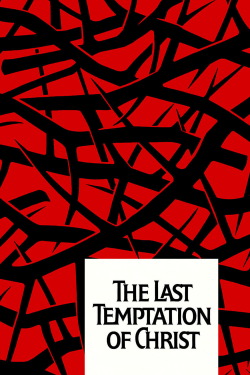
Review of The Last Temptation of Christ (1988) by Zach E — 21 Dec 2007
This movie was plagued with controversy before filming ever began. Based on the novel of the same name by Nikos Kazantzakis, The Last Temptation of Christ is a fictionalized telling of Jesus life that considers his subjective experience as both fully God and fully human. Because the film shows Jesus experiencing the normal range of human temptations (including lust), many fundamentalist Christians condemned the movie before filming began. In fact, upon release, a theater was attacked with Molotov cocktails by extremists because it was playing the film.
Anyway, most of the controversy surrounding this film is vocalized by people who haven't even seen it; much of it is unfounded, as well. Personally, this was the most fulfilling depiction I've ever seen of Jesus' life on film. The whole theological premise is that Jesus had to experience all temptations but reject all sin, thus eventually embodying the perfect sacrifice. Therefore, this film shows Jesus as filled with doubt and an almost self-loathing.
The most controversial scene is probably the end after he has been nailed and raised to the cross. As he is despairing as he contemplates his fate, Satan appears to him and plunges Jesus into a thirty minute vision (His Last Temptation) wherein Satan offers to give Jesus the life he always wanted (a quiet, peaceful life with a wife and children) if he would simply come down off the cross and deny his divinity. After trials and tribulations, Jesus rejects this vision and understands that he must accept his own sacrifice. When the vision ends, Jesus exclaims "It is accomplished" and promptly dies (to be resurrected three days later, although the film does not continue up to that point).
Another controversial portrayal is that of Judas, who in this film is depicted as one of the strongest of all the disciples. Judas commits a huge sacrifice of his own by giving Jesus to the Romans so that he can be sacrificed and the New Covenant fulfilled, even though humanity will hate Judas forever for it.
Finally, I have to add that the direction of this film by Martin Scorsese was brilliant (yes, the same guy who does all the gangster movies). It's a little-known fact, but Scorsese is actually a practicing Catholic. The Last Temptation of Christ is an extremely important film in Scorsese's oeuvre because it helps to establish the central theme of his films. Which is, in summary, that his main characters experience a vision of desired destiny before their deaths, during which they choose to accept their fate. This theme is most strictly seen in Taxi Driver, Casino, and Goodfellas, but the undercurrent of this theme plays out in nearly all his other films.
This review of The Last Temptation of Christ (1988) was written by Zach E on 21 Dec 2007.
The Last Temptation of Christ has generally received very positive reviews.
Was this review helpful?