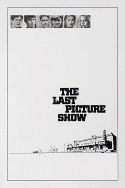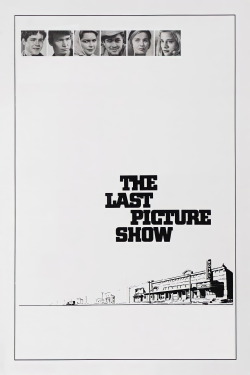
Review of The Last Picture Show (1971) by Thomas G — 15 Feb 2010
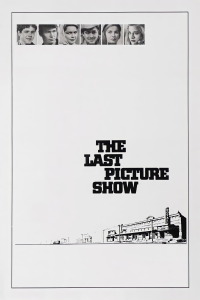
One of my new yearâ??s resolutions was to catch up on older films to up my cinema IQ. I decided to focus first on three coming-of-age films that are cemented as classics in the genre. Rebel Without a Cause and East of Eden both star James Dean, and depict characters who are lost and confused. But I never connected with those films like I did with The Last Picture Show. It may very well be the definitive coming-of-age story. Chronicling just about a full year in Texas (1951-1952), the story revolves around three youngsters leaving high school. The Peter Bogdanovich adaptation of the Larry McMurtry novel of the same name never fails in capturing a finely tuned, slice-of-life depiction. This is a sprawling, depressing and bleak look into the passing of a generation, of a town so barren, stark, and empty with emotion. Lushly detailed in traditional black and white composition, The Last Picture Show is a stunning portrait of teen angst and middle age regrets.
You can say the filmâ??s center character is Sonny (Timothy Buttons). His best friend is Duane (Jeff Bridges) and the latterâ??s girlfriend is Jacy (Cybill Shepherd). All three go through adolescent experiences that push them into adulthood before they can properly prepare for it. After Sonny breaks the knot with a girl whom he never really enjoyed being around in the first place, he stumbles into a dangerous relationship with his basketball coachâ??s wife Ruth (Cloris Leachman). You can tell Sonny does not realize what he is pushing himself into here, and this behavior is strikingly similar to what Duane and Jacy exhibit. Duane seems to be in love with Jacy, while Jacy is slowly beginning to find a highness in exploring her sexual desires. The Last Picture Show is often scrutinized for its uncompromising nudity and sexual content, but teens think of sex, well, all the time. To not have sex depicted in such an honest outlook on teen life would be criminal.
Sam â??The Lionâ?? (Ben Johnson) is the townâ??s facilitator. Everybody loves him and he loves everybody. Roger Ebert claims Johnsonâ??s scene beside the pond without fish but only turtles is the strongest in the film, and this bit is very true. Fishing with Sonny and his mentally retarded friend, Sam talks about a time when things were fun and sporadic, his life filled with joy rather than aging sorrow. It keeps the engine running in his heart, and this is an on-going theme throughout The Last Picture Show. The three characters at hand all try to find their footing in a dieing town. The task is both difficult and daunting.
Most people who watch this will respond to Sonny and his ordeals, but Iâ??m going to take a different route. I found Jacyâ??s story extremely compelling. Her sexual awakening is not only sad but filled with depth, emotion, and darkness. It is a scary process to watch unfold. You can see the wheels turning, approaching what appears to be a mother-like-daughter path. Jacy desires to break her innocence, as do the rest of the cast, so she painfully begs Duane to take her at the motel just after Duaneâ??s trip with Sonny to Mexico. Duane, probably excited and nervous all at one time, is unable to satisfy Jacy. The embarrassment in Duaneâ??s eyes is devastating, and Bridges nailed this moment down to the core. Both play it off like they had the time of their life. Just like everyone else in this pale town, they are scared to reveal the truth.
The Last Picture Show begins to really stir a mess in an unfit bowl of a town after the two boys return back from their aforementioned trip to Mexico. The most obvious reason behind these nightmarish events beckons the death of a certain character. But it also stands as a grim reminder that they do not have a future in this town. A waitress at the diner says she will be stuck doing her job for a long time, perhaps serving the children of Sonny and Duaneâ??s generation. Sonnyâ??s exploration in an affair with his coachâ??s wife is supposed to be hot and sexy right? Not so much, with the adulteress crying when they first engage in intimacy. The scene is scary and poignant all the same, and this shows again how Bogdanovich uses nudity to enhance his message rather than evoke sexual eroticism.
The contrast between the lights and darks fill the film with a beautifully layered composition. Jacyâ??s sexual journey continues with a man whom her mother knows very well. He takes her on a pool table, and her innocence is crushed. The man is barely visible but Jacy is fully in light. She is a young girl, too young to know what she is doing. But she takes on a new persona now, and targets Sonny as her first victim. When the two worlds collide, a rift between a friendship takes hold. Jacy goes from vulnerable shy girl carefully stripping on the pool partyâ??s diving board, to a sexually charged antagonist of sorts. The reform is subtle and structured with genius.
Ben Johnson and Cloris Leachman earn their award recognition here. But it is the three leads consisting of Buttons, Bridges, and Shepherd that encompass most of this narrative. Bridgesâ?? Duane goes to hell and back. He had the prettiest girl in town and loses her all in an instant. He feels betrayed by his best friend and is seemingly alone. Bridges held the character at great heights in the beginning and carefully brings him down to reality by credits end. Timothy Buttons, the most subtle and natural performance of all three was robbed of award consideration for his work as Sonny. His confused face when confronted by Duane, the excitement when first kissing his coachâ??s wife, the sadness when carrying a corpse off the road, all feelings captured with fierce intensity. Sheperd gives the best physical performance of the three. Her aforementioned strip show on the diving board was carefully shot and hauntingly uncloaked. You feel like you have been through the cutter with this character, a girl exploring all her options through the wrong medium of choice. However, after viewing the choices her mother makes, can you blame her?
Modern movies that I love, like Donnie Darko and American Beauty all borrow from The Last Picture Show. Combining an artistic portrait of mood with an immediate drop-in on the lives of a set of individuals in a dull Texas town, The Last Picture Show never fails in providing characters who feel lost and misguided. As the town crumbles while the local cinema goes out of business, so too does Sonnyâ??s future here. Sonnyâ??s blank face, so expertly portrayed by Buttons, encompasses the dread and despair a life in this town has in store for him. A mind captured is a mind undone.
This review of The Last Picture Show (1971) was written by Thomas G on 15 Feb 2010.
The Last Picture Show has generally received very positive reviews.
Was this review helpful?