Review of The Last House on the Left (1972) by Adam R — 24 May 2011
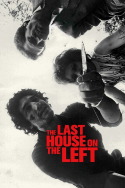
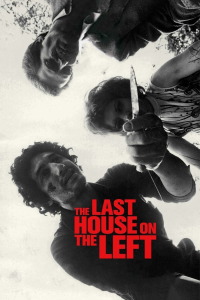
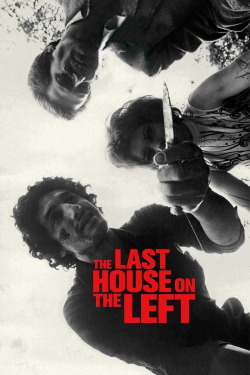
An excellent horror film that manages to probe the scars of the cultural gap between the Greatest Generation and their hippie progeny, "The Last House on the Left" deserves to be noted as one of the greatest debut films of all time (for Wes Craven) not only for its still applicable themes but also for its audacity and genuine ability to shock.
More than 10 years before Craven found ways to terrify teens with Freddie Krueger he created the even more unsettling antagonists of this film: the "family" of deranged career criminals led by Krug (David Hess), who, alongside the snappily dressed but sadistic Weasel (Fred Lincoln); the psychotic Sadie (Jeramie Rain); and Krug's meek, dull-witted son Junior (Marc Sheffler), break out of prison intent on fleeing to safety -- but not before making life a living hell for two teenage girls.
Mari (Sandra Cassel) and Phyllis (Lucy Grantham) run afoul of Krug and crew after a concert celebrating the former's 17th birthday. The majority of the movie comprises the criminals terrorizing, berating, brutalizing and ultimately killing the girls. What began as an exploitation film showing the breakdown of society via the breakdown of two -- relatively -- innocent teens becomes an equally traumatic -- if satisfying -- revenge flick when Krug and his compatriots unknowingly take refuge in the home of Mari's parents (Gaylord St. James and Cynthia Carr).
Even before Mari and Phyllis' fatal misadventure begins, we see the corrosion of innocence among the era's young: Mari's attire is skimpy, catching the scorn of her father and tempting even the local mailman; Phyllis, the more worldly of the two friends, produces a concealed bottle of hard liquor before the concert; and the teens would never have come in contact with their tormentors had they not been trying to score marijuana. Needless to say, the film's antagonists represent the logical extremes of hedonism and youthful misadventure gone into an unacceptable age.
Though Craven pays a great deal of attention to the extremes his villains go to, as one might say at the time, "get their rocks off," it's clear by film's end who we're supposed to be rooting for. Where Krug, Weasel and Sadie (not so much Junior, who remains a peripheral character throughout, rarely acting against anyone unless forced by his domineering father) rely on having the upper-hand only unexpected, unnecessary forcefulness can bring, Mari's parents prove to be brilliant underdogs. Like Nancy Thompson just over a decade later, Dr. and Mrs. Collingwood methodically set elaborate traps, using ingenuity to ensnare and exact revenge upon the people who tore their family asunder. The role reversal is a stunning, uncompromising one, making memorable use of a chainsaw two years before it became in vogue after that nasty event in Texas and reaffirming that though the reckless, brutish young were inheriting the earth, their forebears still had the brains to rein the youngsters in -- and dole out punishment when necessary.
This review of The Last House on the Left (1972) was written by Adam R on 24 May 2011.
The Last House on the Left has generally received mixed reviews.
Was this review helpful?