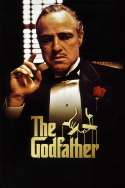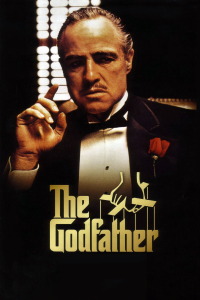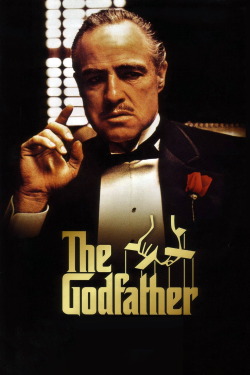
Review of The Godfather (1972) by Brendan R — 22 Nov 2014
Because it opens with a wedding, each new viewing of "The Godfather" feels like a happy reunion with familiar characters. And each time it is bittersweet because we know what will happen to all of them in the end.
But there are seemingly endless new details to uncover, and film writers have provided a steady stream of new interpretations to consider. Count the times that doors close on women, shutting them out of the macho world of the cosa nostra-a phone booth door, a bathroom door, a study door.
Notice, as writer Pablo Villaça does, how the color of Kay's clothes change from bright red to dull beige as she gets pulled further into Michael's toxic orbit. Look at the way Vito Corleone and Tom Hagen reflexively touch their faces, cuffs, and collars after difficult conversations, a nervous tic that Michael, in his coldness, does not seem to share, and which seems significant only because everything in this dense production seems purposeful and meaningful.
Consider, like historian Bruce Schulman, whether Michael-an American war hero with an American girlfriend who ultimately cannot escape his Sicilian roots-is a metaphor for failed cultural assimilation.
Maybe some of these observations are stretches, the products of our obsessive love for a movie that director Francis Ford Coppola reportedly considers a studio film and that Orson Welles called "the glorification of a bunch of bums who never existed.
" There's some truth in those criticisms, just as there is truth in the paeans and the deep analyses. Maybe there's no such thing as a perfect movie. But "The Godfather" looks, sounds, and feels very, very close, even the Nth time around.
This review of The Godfather (1972) was written by Brendan R on 22 Nov 2014.
The Godfather has generally received very positive reviews.
Was this review helpful?