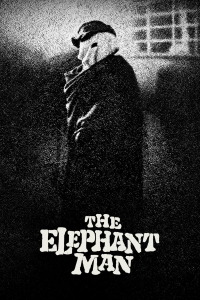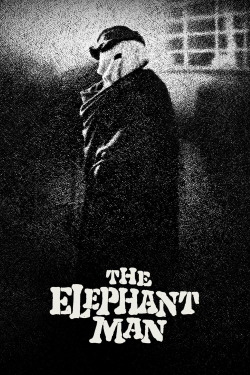
Review of The Elephant Man (1980) by Andrew G — 24 Jan 2010
During the first half of The Elephant Man, I was rather disappointed, thinking this was not what it was cracked up to be. I felt I was missing the expected compassion one was supposed to feel for the poor, disfigured man.
Frankly I didnâ??t really care what went on â?? Merrick left me kind of cold, I had my doubts about the motivations of Treves (Anthony Hopkins), and I thought the movie was slow-paced, but snappily edited at the same time, wasting no valuable time on fringe issues, but all this without offering any compensating features, like some genuine pathos.
Whenever some of that came lurking round the corner, the screen turned black for a cut to another scene, leaving the viewer dangling out there. I also felt the choice for black-and-white was a wise choice (otherwise all would be even less interesting), yet an easy choice.
I started changing my mind during the second half of the movie, though, when it turned out The Elephant Man WAS what it was cracked up to be. Everything one was hoping for popped up suddenly: pathos, compassion, a well-developed relationship between Treves (who had nobler motivations than just professional interest) and Merrick, insightful scenes about the (lack of) acceptance of a disfigured person in Victorian England, the heartbreaking development of Merrickâ??s character from a so-called freak to a genuine, cultivated, sensitive person (which he had been all the time, of course, but nobody was willing to see it).
Some scenes bring tears to yours eyes, like the one in which he calls out he is a person and not an animal. In a word, a very good picture about an individual, but at the same time about a social problem (= being handicapped), in a specific time period in particular.
This review of The Elephant Man (1980) was written by Andrew G on 24 Jan 2010.
The Elephant Man has generally received very positive reviews.
Was this review helpful?