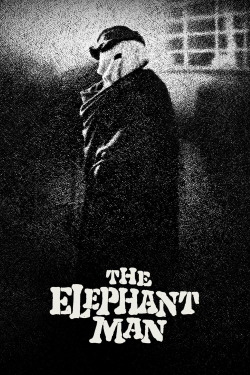
Review of The Elephant Man (1980) by Brian B — 03 Apr 2017
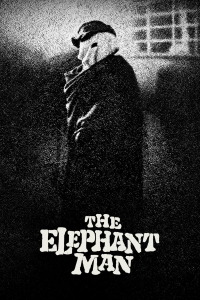
David Lynch is a genius when it comes to the weird and absurd. He puts a lot of imagination into his films, and its interesting to see what he can do in each of them. Eraserhead was the 1st film that I saw from him. Over time, it grew on me to an extent to be my 4th favorite film of all time (currently). The Elephant Man was the 2nd film I watched from him. Even though its story is more grounded, it still manages to keep Lynch's absurdity feeling present found in most of his filmography.
A Victorian surgeon named Frederick Treves rescues a horribly disfigured man named Joseph Merrick who's mistreated, and works as a side-show freak for a living. Behind his disturbing appearance is an intelligent person who Frederick begins to appreciate as they continue to spend more time together.
Often, when movies contain bleak plots like this film or attempt to make the viewer feel sadness throughout them, it's very easy for them to be crippled by feeling overly emotionally manipulative. This can also easily hinder the viewer's immersion with the film their watching. For that reason, it seemed unlikely that this film would be able to succeed concerning the hopelessness of its plot. Despite that, however, Lynch was able to make one of the saddest films I've ever seen without making it feel overly sentimental or cheesy whatsoever. By firmly sticking to the facts of the true story this was based on, he did all that was required for him to do in order to make this film into a powerful experience. Also, we got to know more about John Merrick throughout the film as Lynch did a good job at developing his sensitivity and intelligence. This proved to be a highly powerful characteristic which made the film stand out so well. It makes many other feel-good films crumble into dust when compared to this one.
The acting is another high point to the film. John Hurt as Joseph Merrick gave an amazing performance. Underneath all of the disturbing makeup, he is able to project humanity. Also, his voice was very muffled, like one would expect. Despite that, however, his voice was still understandable, and I was able to make out his voice without having to try too hard to listen or replay a line of dialogue. He stole the show. Also, Anthony Hopkins as Frederick Treves gave a great performance as well. He was able to convincingly play a doctor trying to help Merrick without ever sounding bland. Both of them did pretty good as the 2 main roles. I had no glaring issues with the rest of the cast.
The visuals were pretty good. Since the movie was set in the last 1800's, the black and white seemed fitting, and it made sense for a movie set over 100 years ago to have black and white. Also, the make-up on John Hurt looked gross and realistic. To make it, Lynch looked at different photographs of the real Joseph Merrick. Also, after this film wasn't recognized at the Academy awards for its make-up effects, tons of people wrote angry letters to them, demanding them to give the film an award for Lynch's recreation of Joseph Merrick. They didn't do it, but they did create a new award called "Best Makeup" with "An American Werewolf in London" being the first to receive it. Since the effects inspired all of that to happen, I'd say that it did something right. Also, because of the black and white, the disturbing and realistic make-up effects on John Hurt managed to look gross without distracting me from the movie.
When it comes to historical accuracy, this film isn't the most accurate film out there. It had several inaccuracies. Firstly, the events from the films famous railway station scene happened before Merrick stayed at the hospital. Secondly, the whole kidnapping sub-plot never happened. Merrick went to Europe on his own accords. Mr. Bytes, the original cruel owner of Joseph Merrick, never existed. Bytes was based off of Tom Norman. Thirdly, it's likely that Tom Norman was never as cruel as the movie made him out to be. Fourthly, Frederick Treves never had to rescue Joseph Merrick from Tom Norman. A few weeks after Joseph Merrick started working with Tom Norman, their exhibit was seen as 'distasteful', and it was shut down by the police. After that happened, Joseph and Tom went their separate ways. In addition, several operations were required to enable Joseph Merrick to talk. Finally, his first name was not "John". It was "Joseph".
In conclusion, I enjoyed this film. It succeeds where many feel-good films fail at. It has great acting and gross and realistic effects made even better by the black and white cinematography. This may not be the most historically accurate film out there, and it may be a bit dull in a few places near the middle, but it's still pretty good. I'm going to check out more of Lynch's films in the future. People who aren't a fan of Lynch's work tend to agree that this one and The Straight Story are his best films as they prefer his more straightforward work. I think that this was pretty good as well. It just needed some polishing in a few areas.
This review of The Elephant Man (1980) was written by Brian B on 03 Apr 2017.
The Elephant Man has generally received very positive reviews.
Was this review helpful?