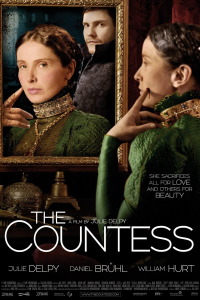
Review of The Countess (2009) by Luciano D — 13 Jan 2011
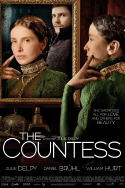
This film deals with a very difficult problem: it attempts to create the image of a bloodthirsty countess and at the same time it tries to cast doubt on it.
The Countess throws you into a world where almost everything that seems real may be false, but the film does not want you to find out what the truth is.
Let me illustrate this problem by a metaphor:
Imagine finding a way through a labyrinth made of paper so fine you cannot as much as touch its walls without destroying them. To make matters worse, some of the paper walls are painted so they appear as passageways and in order to find out whether a passageway is just a painting you would have to touch it (and consequently destroy it).
It would be impossible to find a way through this labyrinth without making a substantial damage. For this reason, the film gives you a Guide, his name is Istvan, who should navigate you safely through the labyrinth without any bumps into the walls.
The plan is that Istvan leads us through the labyrinth and we watch everything around us: tunnels, stairs, passageways, blind alleys and we ponder whether they are real or not.
Tragically, at the end of the movie, Istvan gets lost and marches right into one of those painted corridors and the whole labyrinth collapses. This happens when Istvan searches Bathory's castle and his companion claims to have found "heaps of corpses" but refuses to show them to Istvan and us, which is makes it clear that Bathory's trial was manipulated by Count Thurzo. Instead of keeping us in doubt, the film starts to advocate for Elisabeth Bathory, claiming that aside from torturing instruments (which must have been common equipment of all castles) there was very little material evidence of her guilt: bodies had never been found, Elisabeth's diaries could have been fakes etc.
The mistake is, that once the film tries to make Elisabeth a victim of Thurzo's schemes by openly questioning the validity of the evidence against her, it automatically takes Elisabeth's side. The audience is intelligent enough to judge all the evidence presented with some natural reservation, so the film should not feel the need to stress the fact that the evidence was doubtful, unless it wants us to believe that Elisabeth was innocent.
Given all the elaborate complexity of the story development, which carefully cultivates the atmosphere of uncertainty, the ending seems horribly crude, but it would not be fair to mark the whole film as "rotten" just because of this single, albeit major flaw.
This review of The Countess (2009) was written by Luciano D on 13 Jan 2011.
The Countess has generally received mixed reviews.
Was this review helpful?