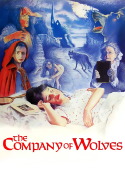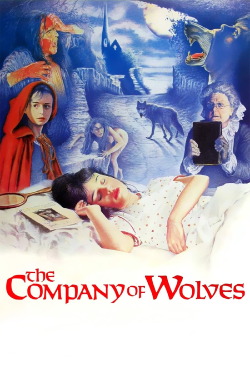
Review of The Company of Wolves (1984) by Will B — 15 Apr 2009
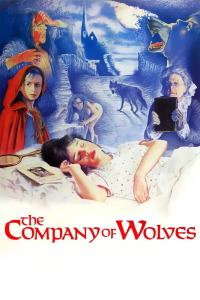
The film is a feminist revision of the classic "Little Red Riding Hood" folktale. In fact, the film is self-aware of the many cultural intricacies and variances of different "Red Riding Hood" tales, from the sexualized Perrault French version to the moralistic, cautionary German Grimm Brothers version. Certain aspects from each of these cultural retellings of the folktale surface in the film.
The film is not linear in its narrative style and often falls into dream visions within dream visions. In that way, the film is somewhat difficult to follow.
Neil Jordan does use visual motifs and symbolism to his advantage here. Because the film is based on Angela Carter's story of the same name, the feminist influence is evident. Particularly in the closing sequence, the female protagonist accepts her sexualized, wild, beastly self and she becomes a predatory presence that rivals the male werewolves that attempt to seduce her and taint her innocence throughout a majority of the film. The woman claims her sexuality, her inner beast and, of course, that challenges the conventional "Red Riding Hood" character who is naive, innocent, and a victim of that lack of knowledge.
The acting in the film is good. Angela Lansbury is most memorable as the Grandmother character. The idea of the werewolf is more metaphorical than literal, although the beast does appear at times.
I required the film for my literature course, "Vampires, Werewolves, and Monsters." I would recommend a viewing, but the narrative does get cumbersome in parts.
This review of The Company of Wolves (1984) was written by Will B on 15 Apr 2009.
The Company of Wolves has generally received positive reviews.
Was this review helpful?