Review of The Birth of a Nation (2016) by Keith B — 06 Oct 2016
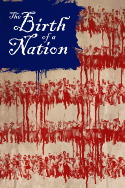
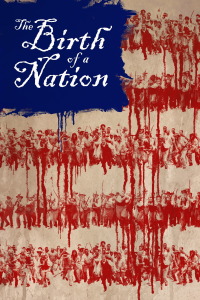
2016's "The Birth of a Nation" (R, 2:00) stands as one of the most controversial and important films of the early 21st century. The film reclaims and repurposes the title of D.W. Griffith's 1915 classic which began the dominance of the feature film in the U.S. and ushered in many movie-making innovations which became industry standards, while courting controversy for its portrayal of black racial stereotypes and its glorification of the Ku Klux Klan. The 2016 use of the title brings us a film which depicts another violent, racially-charged episode from 19th century American history, while also portraying assaults and murders as heroic and taking significant liberties with the historical facts surrounding its subject matter.
The personal history of this film's director, co-writer and star has added to the controversy. Nate Parker was accused and tried for rape when he was in college. He was acquitted and said in a "60 Minutes" interview that that should put the matter to rest, but many victim advocates have treated Parker as if he had been found guilty. Parker himself added to the controversy by refusing to admit any wrongdoing in the incident and then including in his film a rape scene which isn't part of this story's historical narrative and portraying his character as the avenger of that attack. One could also question the content and timing of the film as dangerously incendiary, at a time when innocent people on both sides of the modern racial divide and the current criminal justice equation are being killed - and local, state and national leaders of all backgrounds are searching for non-violent ways to solve seemingly intractable societal problems. Unfortunately, all the controversy surrounding 2016's "The Birth of a Nation" keeps some Movie Fans from fairly evaluating the film's quality, which is the main purpose of this review.
Parker plays Nat Turner, the literate and very religious slave who led an 1831 Virginia slave revolt which killed approximately 60 white men, women and children and resulted in the legal executions and retaliatory murders of about 200 blacks, both slave and free. After a mysterious ceremony seemingly rooted in native African religious traditions and folklore, during which young Nat is pronounced "a prophet", we see the undeniably intelligent boy being taken into his master's house and educated by a family member named Elizabeth Turner (Penelope Ann Miller). Nat was only allowed to read the Bible and was deliberately steered towards passages which seemed to justify slavery, but Nat read his Bible as completely and sincerely as he could. As time marched on, Nat grew "in stature and in favor with the Lord and with people," as the Bible itself says about the prophet Samuel. Nat still ended up serving primarily as a field hand, but he also led worship services for his fellow slaves in the plantation's stable.
Nat preached about Bible verses such as "slaves, obey your earthly masters," while encouraging the other blacks on the plantation to look forward to freedom in the afterlife. It was a message that slave owners with less docile servants became anxious for their blacks to hear, and they began paying Nat's master, Samuel Turner (Andrew Garfield), to bring Nat to their farms to preach to their unwilling employees. In his travels, Nat observes a variety of neglectful, abusive and inhumane treatment of neighboring slave populations and clearly finds it more and more difficult to preach joy and patience. Eventually, everything he observes and terrible things that happen to him and his family at the hands of their white oppressors convince Nat that God is calling him to fight for freedom in the most literal sense.
"The Birth of a Nation" represents an impressive step forward in the career of Nate Parker. After working fairly steadily as a character actor since 2004, he delivers a powerful and deeply emotional performance as the infamous leader of the deadliest slave rebellion in U.S. history. In his feature film directorial debut, Parker also displays an impressive talent for producing highly impactful scenes and focused story-telling. The finished product, however, is somewhat diminished in quality by the controversies surrounding the production - especially the issue of the large number of plot devices which don't just fill in gaps in the historical record, but actually contradict it. In spite of that, it compares very favorably (and is in some ways superior to) the 2013 Best Picture Oscar Winner "12 Years a Slave". This film recommends itself by virtue of strong supporting performances (including those of Gabrielle Union, Aja Naomi King, and Jackie Earle Haley, just to name a few), its powerful story and visuals and, regardless of the controversy, its ability to relate the past to the present, raise important issues and stimulate meaningful discussion and debate about some of society's most complex problems. "A-".
This review of The Birth of a Nation (2016) was written by Keith B on 06 Oct 2016.
The Birth of a Nation has generally received positive reviews.
Was this review helpful?