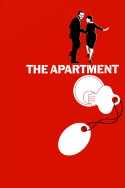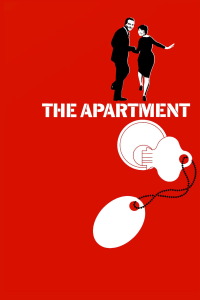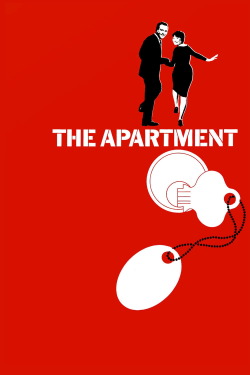
Review of The Apartment (1960) by Kylie P — 26 Nov 2010
The Apartment was smartly written, beautifully performed, and expertly directed; this much almost goes without saying. Wilder infused his usual satirical sharpness into a wonderful witty screenplay filled to the brim with juicy observations on life, the hypocrisy of some corporate arrangements, and the fleetingness of the institution of marriage at a time when such observations were probably rather risquà (C), emerging, as the nation was, from the decade of Donna Reed, pearls and aprons, Father Knows Best, and so on. The conversations between all of the characters were well-paced and believable, and there is a certain timelessness in the subtext of the story, as some of the same themes play out in current times.
Wilder also directed this film with his usual flair. The photography of the insurance company building became a remarkable exercise in the execution of perspective cinematography, illustrating with painful illumination the mindless, bleak, and nameless nature of being an office drone. From the opening scenes as Baxter enters his NYC sky-rise, walking with purpose toward Fran and her elevator, to the shot of him sitting at his desk amidst hundreds of rows of like-minded worker bees, to the use of glass at the building's higher levels, Wilder punctuated the satire of his words with some great visual representations to accompany them. Contrasted with the confined intimacy of Baxter's apartment, where most of the drama occurs, and the art direction employed to define Baxter's somewhat pathetic and lonely bachelor existence, and the themes of the film became readily apparent.
Lemmon and MacLaine were also supreme, as expected. Lemmon offered his best everyman charm coupled with his trademark, put-upon schmuck act, while MacLaine injected her character with some of that daffy affability for which she is also known, on and off screen. The result was a couple that the viewer could root for. MacMurray was also good, drawing upon the sensitivity of his "My Three Sons" dad while adding the scrupulous morals of his erstwhile "Double Indemnity" character.
Ultimately, however, Double Indemnity and some of Wilder's other entries on this list were better films, and, to this viewer, it boils right down to the premise. Suspending disbelief regarding such a sad-sack of a character as Baxter, lending out his apartment to a bunch of amoral corporate executives (as there can be no other kind, you know), was particularly difficult, no matter how lonely or potentially ambitious Baxter is. Perhaps, part of this outrageous story thread was rooted in the opportunity for the Baxter character to outgrow his timidity and fear of the upper echelons of his company. Still, the thought of lending out a private residence, one's only private residence and escape from such a bleak office environment as painted by Wilder, seemed so foreign.
Also, while some of the dialog was brilliantly written and contained such satirical observations about lust, love, and corporate hysteria, some of it was also uneven, particularly in the exchanges between Baxter and Sheldrake or in the introduction of the supporting, atmospheric characters like the neighbors. It's almost as if Wilder struggled to find the motivation to introduce these characters and when he did, what they had to say just didn't seem to fit with the rest of the story. Actually, many of the conversations Sheldrake conducted with various other characters strained credibility; perhaps, it was the acting choices of MacMurray or the direction and writing, but it was as if the filmmakers or the actor tried to render the character modestly sympathetic or morally ambiguous, when he was really the main antagonistic force, the wolf in sheep's clothing, amidst a flock of unwitting, pawn-like sheep.
Still, Wilder and company win points for the originality of the film, and the ending may be one of the best conclusions to a dramedy that I have seen. The Apartment is recommendable to any fan of the director, Jack Lemmon, or any of the other actors in this film as, for the most part, this movie is executed well, and its underlying themes bear the most identifiable mark of greatness: their timelessness (and, therefore, connection with any audience beyond the year of the film's release).
This review of The Apartment (1960) was written by Kylie P on 26 Nov 2010.
The Apartment has generally received very positive reviews.
Was this review helpful?