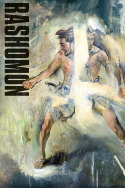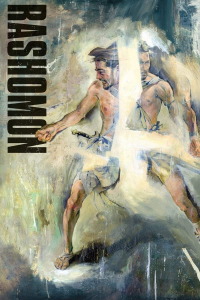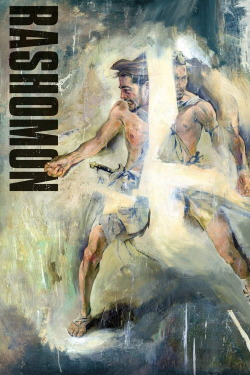
Review of Rashomon (1950) by Dragisa S — 23 May 2009
To what extent does subjectivity affect perception? By telling the story from each character's point of view, "Rashamon" explored how narrative can be biased, and how one person's story is never the whole tale. I highly recommend this film.
"Human beings are unable to be honest with themselves. They cannot talk about themselves without embellishing. This script ["Rashomon"] portrays such human beings - the kind who cannot survive without lies to make them feel they are better people than they really are. It even shows this sinful need for flattering falsehood going beyond the grave - even the character who dies cannot give up his lies when he speaks to the living through a medium. Egoism is a sin the human being carries with him from birth; it is the most difficult to redeem. This film is like a strange picture scroll that is unscrolled and displayed by the ego." (from Something Like an Autobiography by Kurosawa).
This review of Rashomon (1950) was written by Dragisa S on 23 May 2009.
Rashomon has generally received very positive reviews.
Was this review helpful?