Review of Persepolis (2007) by Jim H — 27 Jan 2011
They say that we must learn from the past or we're doomed to repeat it. I've always thought that was because the past helps us better understand the present.
This autobiographical film tells the story of a young girl who comes to a vague political awareness during the Islamic Revolution against the Shah and comes of age during the following cultural shift from an era of relative freedom to a world dictated by Islamic law. Though she spends part of the film in Vienna, most of the action takes place in Khomeini's Iran.
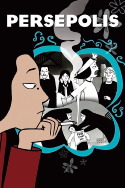
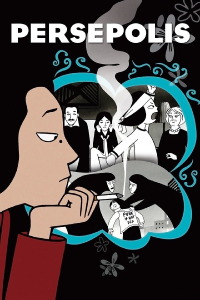
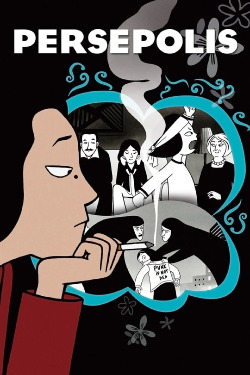
The film has many strengths, not the least of which is its clever animation. Most of the film takes place in black and white, primarily used to differentiate past from present, oppression from freedom, and the contrasts of each image give the film a visual poetry that is absent in many color animated films. If you've ever thought that actresses were more beautiful, actors more charming, in older, black and white films, then you'll also be struck by the grace of the visuals in Persepolis.
What is more, Satrapi understands that many audiences wouldn't sit through a lecture on Iranian history - especially if they're expecting to see an entertaining film. Like Oliver Stone's great, politically based films, Satrapi keeps the political discussion centered on the characters. These are people whose lives have been dramatically altered by politics, and whatever political discourses the film ventures into are always relevant to the characters' journeys. Satrapi knows that in this genre we only care about politics to the extent we care about the characters.
Finally, Iran has endured violent colonization, oil money-grubbers, a radical cultural revolution, a bloody war with Iraq, and all the problems associated with a theocracy. They've fit an awful lot of violence and upheaval all within the last fifty years. Such subjects carry a slit-your-wrists level of heaviness, but there is enough comic relief in Persepolis to keep us out of the doldrums for too long. Jokes at the expense the male ego, Marjane's resistance against Islamic norms, and a truly inspired Eye of the Tiger (you know - that song from Rocky III) sequence keep us laughing between depictions of political unrest.
Considering France has recently outlawed burqas, I found it odd that France was the penultimate representation of freedom for the characters, but it is nevertheless true that Western democracies starkly contrast current conditions in Iran. It is also true that Western foreign policy - most notably our own policy - is actively engaged in what goes on in Iran, a warehouse of foreign oil. While it's always dangerous to get our history from film, partially because we are subject to the filmmakers' bias, watching Persepolis provides a remarkably educational and fairly accurate depiction of how Iran got from where it was to what we hear about during every contemporary newscast. Understanding the past and understanding Persepolis truly does lead us to understanding the present, and the fine animation, comic relief, and focus on character adds sugar to whatever bitterness the medicine of a history lesson might carry.
This review of Persepolis (2007) was written by Jim H on 27 Jan 2011.
Persepolis has generally received very positive reviews.
Was this review helpful?