Review of Onibaba (1964) by Emily B — 01 Nov 2008
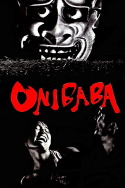
Onibaba is a daring, primitive but erotic and elegant film set in fourteenth century Japan. Although the film is a categorized as horror by its mysterious cinematography and mythic items, it is more of a tense drama between three individuals struggling to survive.
For a film made in 1964, there is an awful lot of female nudity and vivid depictions of pure sexual energy between Hachi and the younger woman. Director ShindÅ? uses these scenes to heighten the cryptic, uneasy atmosphere. Furthermore, the camera steadily showcases reeds of susuki grass swaying in the wind paired with weird crunching or snapping sounds. When the young woman races through those same fields of grass, we hear sounds of pigeons chattering.
The final third of Onibaba certain certainly descends into the horror realm, most notably when the masked samurai appears at the older woman's hut. The rainstorm finally douses every image in another layer of ambiguity, which leads even past the final moments.
The emphasis of the hidden ills of the demon mask reminded me a lot of reading/watching R.L. Stine's The Haunted Mask when I was a kid. I assume the idea for it stemmed from this film, but like most Goosebumps ideas, they were borrowed from better source material.
This review of Onibaba (1964) was written by Emily B on 01 Nov 2008.
Onibaba has generally received very positive reviews.
Was this review helpful?